From Farm to Fashion_ Sustainable Textiles from Leaf, Bark, and Natural Dyes
From Farm to Fashion: Sustainable Textiles from Leaf, Bark, and Natural Dyes
Introduction
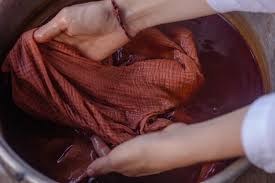
The global fashion industry is undergoing a much-needed transformation, steering away from environmentally harmful practices toward more sustainable, circular solutions. One of the most exciting developments lies in an unexpected place — the farm. As the world grows more conscious of fast fashion’s environmental footprint, innovators are looking to nature’s abundant, renewable resources — leaves, bark, and plant-based dyes — to create sustainable textiles. This is more than a trend; it’s a movement redefining how fashion is grown, produced, and worn.
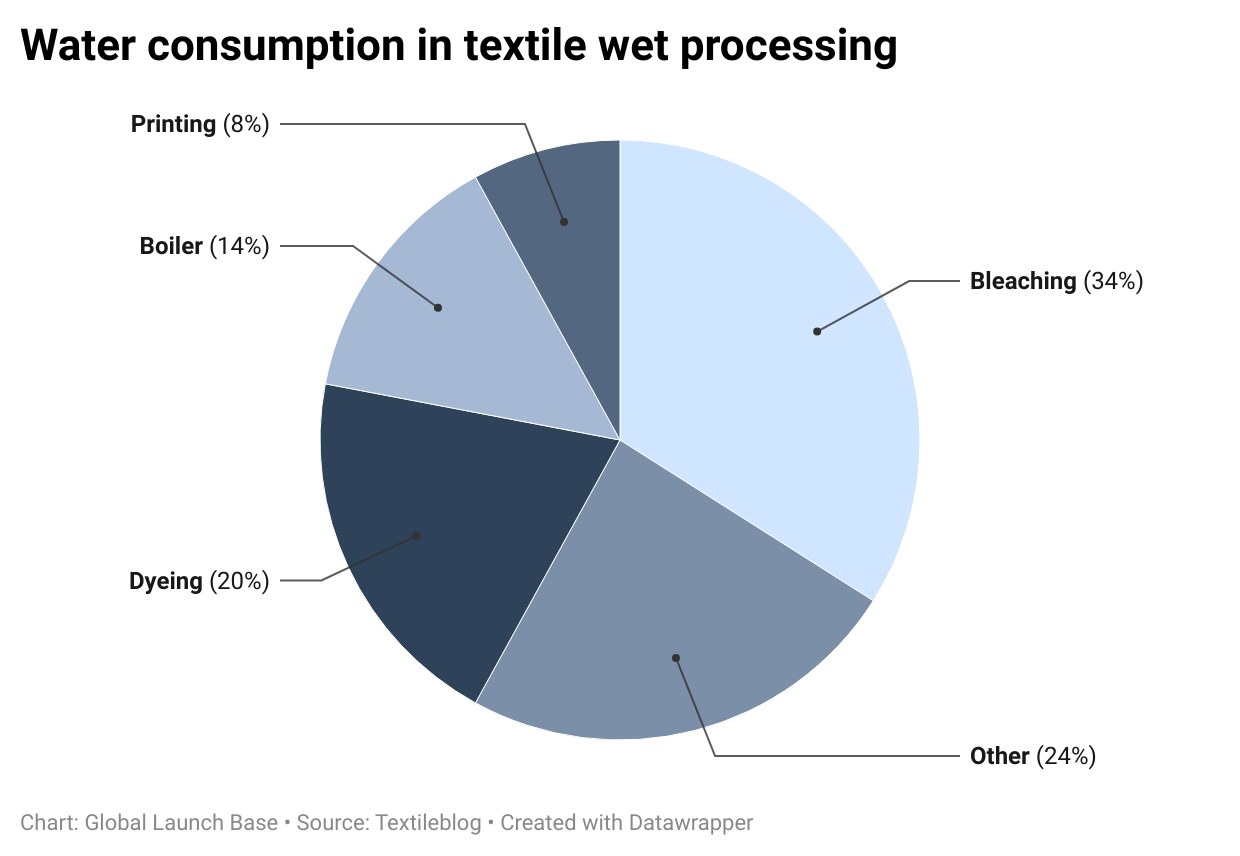
Figure: Fig: Water consumption in textile wet processing (Source Textileblog)
The Origins of Farm-Based Fashion
Historically, natural materials such as cotton, flax, hemp, and silk were staples of textile production. However, many traditional dyeing and processing methods fell out of favor with the rise of synthetic fibers and chemical dyes. Today, a renaissance is underway, bringing sustainable materials like banana fiber, lotus stem, bark cloth, and natural dyes derived from plants, back into the spotlight.
Fiber Type | Source Material | Water Usage (liters/kg fiber) | Biodegradable | Common Use Cases |
|---|---|---|---|---|
Banana Fiber | Banana stem (agri-waste) | 60–80 | Yes | Sarees, mats, bags, home decor |
Piñatex (Pineapple) | Pineapple leaf (agri-waste) | 35–50 | Yes | Footwear, bags, faux leather |
Hemp | Hemp stalk | 300–500 | Yes | Apparel, denim, ropes |
Bark Cloth | Mutuba tree bark | ~10 (low) | Yes | Fashion, rituals, upholstery |
Cotton (Conventional) | Cotton plant | 10,000–22,000 | No (if dyed) | All fashion segments |
Polyester | Petroleum-based | 0 (synthetic) | No | Fast fashion, sportswear |
1. Leaf and Stem-Based Textiles
Banana Fiber (Vazhai Naaru)
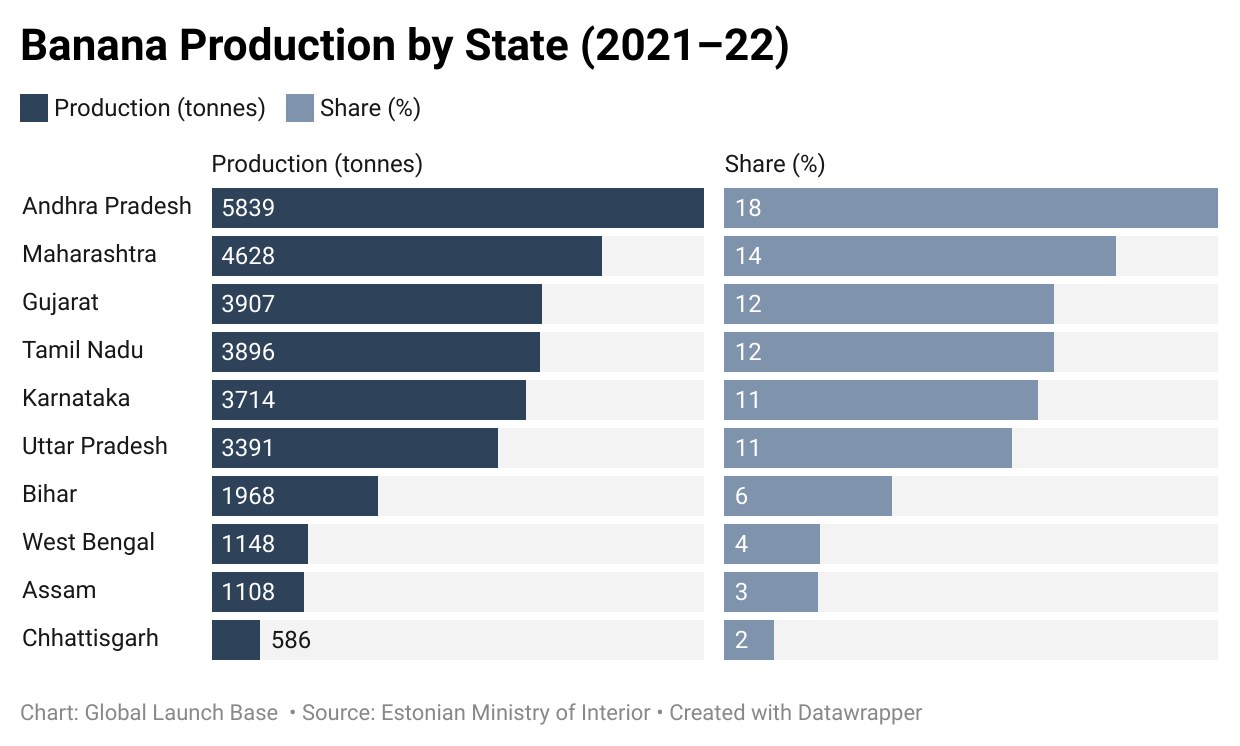
Derived from the pseudostem of the banana plant, banana fiber is both biodegradable and durable. After harvesting the fruit, the remaining plant is processed into fiber. India, particularly in states like Tamil Nadu and Kerala, has a long tradition of weaving banana fiber into textiles.
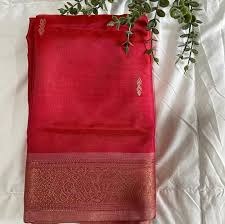
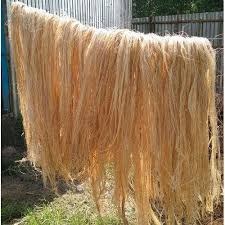
Saree from Banana Fiber Silk Banana Fiber
Benefits:
- Utilizes agricultural waste
- High tensile strength
- Breathable and lightweight
Pineapple Leaf Fiber (Piñatex)
Originally developed in the Philippines, Piñatex is an innovative material made from pineapple leaves — a by-product of pineapple farming. The fibers are processed into a non-woven textile used in fashion, footwear, and accessories.
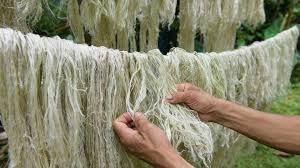
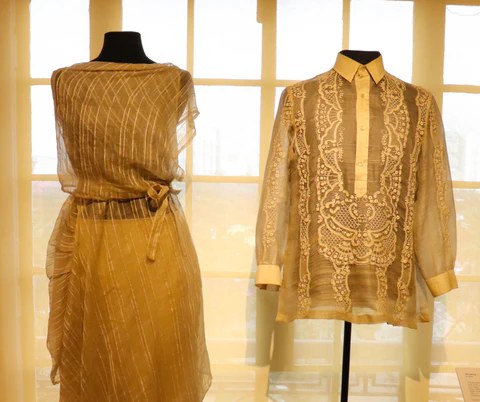
Pineapple Leaf Fiber Pineapple Yarn
Use Case: Used by brands like H&M, Hugo Boss, and Zara for vegan leather alternatives.
2. Bark and Bast-Based Textiles
Bark Cloth
Made by beating the inner bark of certain trees (like Mutuba in Uganda), bark cloth is one of the oldest known textiles. It's soft, earthy, and entirely compostable.
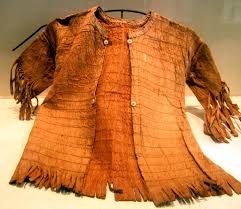
Bark Cloth
Modern Use: Used in haute couture collections and traditional ceremonial garments.
Hemp and Flax (Linen)
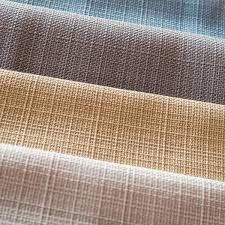
Hemp and Flax
While more conventional, hemp and flax are gaining popularity again due to their low water use, resilience, and compatibility with regenerative farming.
3. The Natural Dye Revival
Synthetic dyes contribute significantly to water pollution, particularly in textile-producing countries like Bangladesh and India. Natural dyes, extracted from leaves, roots, bark, fruit skins, and flowers, are emerging as viable, eco-friendly alternatives.
Natural Dye | Source | Color Outcome |
|---|---|---|
Indigo | Indigofera Tinctoria leaves | Deep blue |
Madder | Roots of Rubia cordifolia | Red to orange |
Turmeric | Curcuma longa rhizome | Bright yellow |
Pomegranate Peel | Rind | Soft golden brown |
Marigold Flower | Petals | Yellow to olive green |
Benefits of Natural Dyes:
- Non-toxic and biodegradable
- Skin-friendly
- Creates local employment in dye farming and processing
Integrating Sustainability into the Fashion Supply Chain
- Agri-Waste to Apparel: By using banana stems, pineapple leaves, and coconut husks — traditionally discarded — as raw material, farmers can tap into a new revenue stream while reducing biomass waste.
- Decentralized Dye Units: Village-based dyeing cooperatives can support local economies, preserve traditional techniques, and minimize carbon footprints.
- Blockchain & Traceability: New technologies are allowing consumers to trace garments back to the farms where materials originated, ensuring ethical and environmental standards.
Case Studies: Pioneers in Farm-Fashion Fusion
- Boheco (India) – Uses industrial hemp for fashion and wellness applications.
- Oorja Studio (India) – Works with tribal artisans to produce textiles dyed with bark, indigo, and rust using Ayurvedic principles.
- Ananas Anam (UK/Philippines) – Makers of Piñatex, creating vegan leather alternatives from pineapple leaves.
- FabIndia – Commercializes Indian heritage weaves and natural dyes for domestic and global markets.
Challenges to Scaling
- Yield & Quality Variability: Natural dyes and fibers may vary by harvest season.
- Higher Costs: Sustainable textiles are often more expensive due to artisanal labor and smaller scale.
- Certification Gaps: A lack of unified eco-certification for many natural fabrics and dyes leads to greenwashing.
Conclusion: The Future is Rooted in the Soil
As fashion giants and consumers rethink environmental impact, farm-based textiles offer a compelling solution — combining ethical sourcing, low carbon emissions, and support for rural livelihoods. By bridging agriculture and fashion, the industry can move from exploitative to regenerative practices. The journey from leaf and bark to runway might be unconventional, but it’s sowing seeds for a more sustainable future.