From Farm Waste to Power_ How Village-Level Biogas Systems Can Transform Rural Energy in India
From Farm Waste to Power: How Village-Level Biogas Systems Can Transform Rural Energy in India
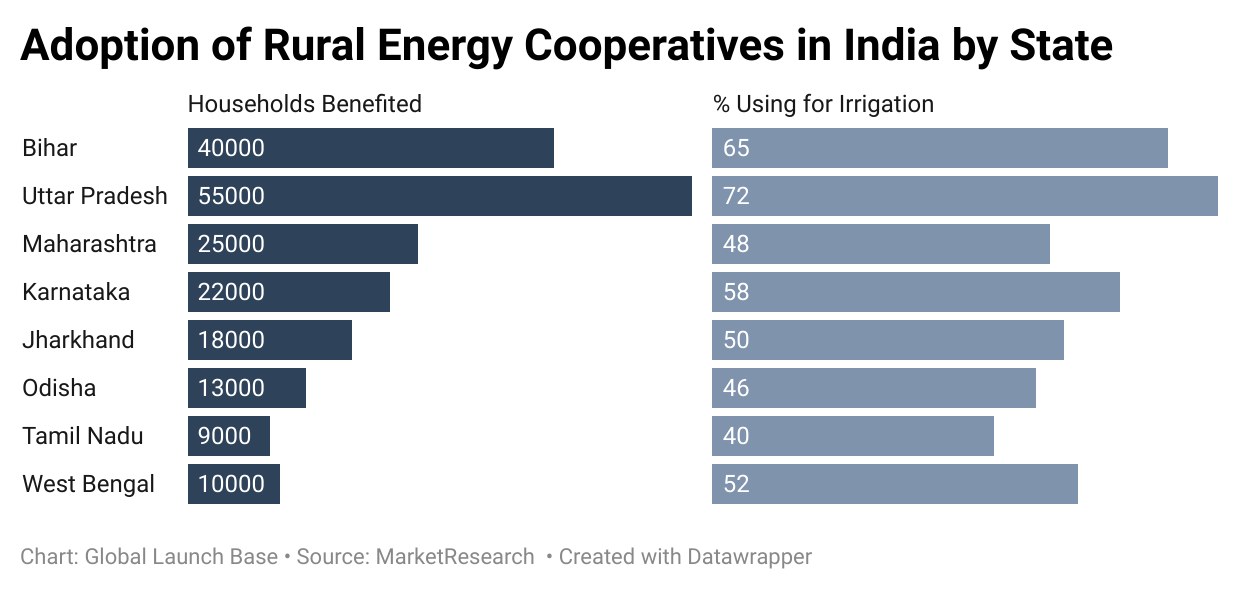
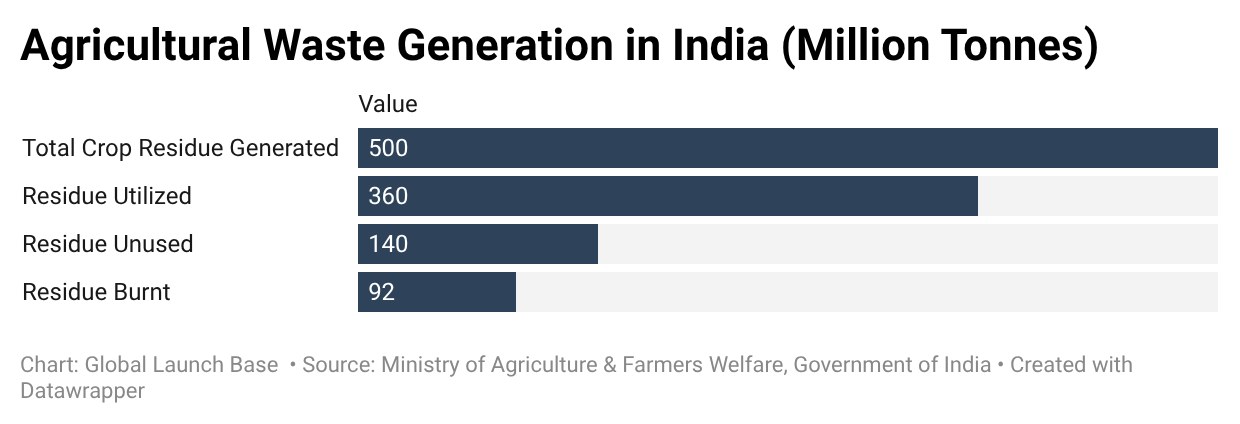
India’s agricultural economy generates millions of tonnes of organic waste every year—yet much of it remains underutilized or burned, contributing to pollution and lost economic value. At the same time, rural communities continue to face challenges around reliable energy access and rising fuel costs.
This gap presents a powerful opportunity: converting agricultural waste into sustainable energy at a village level.
The Untapped Potential of Agricultural Waste
Farm residues, animal manure, and organic by-products are often treated as waste. However, these materials are rich in energy potential. Through modern processing techniques, they can be converted into:
- Biogas for cooking and heating
- Electricity for local consumption
- Biochar to improve soil fertility
The concept itself is not new. Many households already use small-scale biogas plants. But these systems often remain limited in scale and impact.
Agricultural Waste as a National Energy Asset
- India generates 500–600 million tonnes of agricultural residue annually
- Around 150–230 million tonnes is surplus and available for energy use
- Biomass energy potential stands at 18,000 MW
Angle: Position agri-waste not as a problem, but as a national energy reserve
Village-Level Energy Economics
- Community plants reduce per-unit energy cost due to scale
- A medium biogas plant can process 5–50 tonnes/day at village level
- Revenue streams include:
- Sale of electricity
- Bio-CNG or compressed biogas
- Organic fertilizers (biochar, slurry)
Angle: Shift from “cost-saving model” to rural revenue-generating infrastructure
The Limitation of Individual Biogas Models
Household-level biogas units work well for basic cooking needs, but they come with constraints:
- Limited feedstock availability per household
- Lower efficiency in energy production
- Minimal scalability
- No significant electricity generation
As a result, while helpful, they do not fully unlock the economic and energy potential of agricultural waste.
The Shift to Village-Level Energy Systems
A more impactful model lies in community-driven, village-level biogas systems.
Instead of operating in isolation, farmers within a village can collectively:
- Pool agricultural waste and manure
- Supply it to a centralized processing unit
- Share the benefits of energy production
This approach transforms waste management into a shared economic and energy asset.
How a Village-Level Unit Works
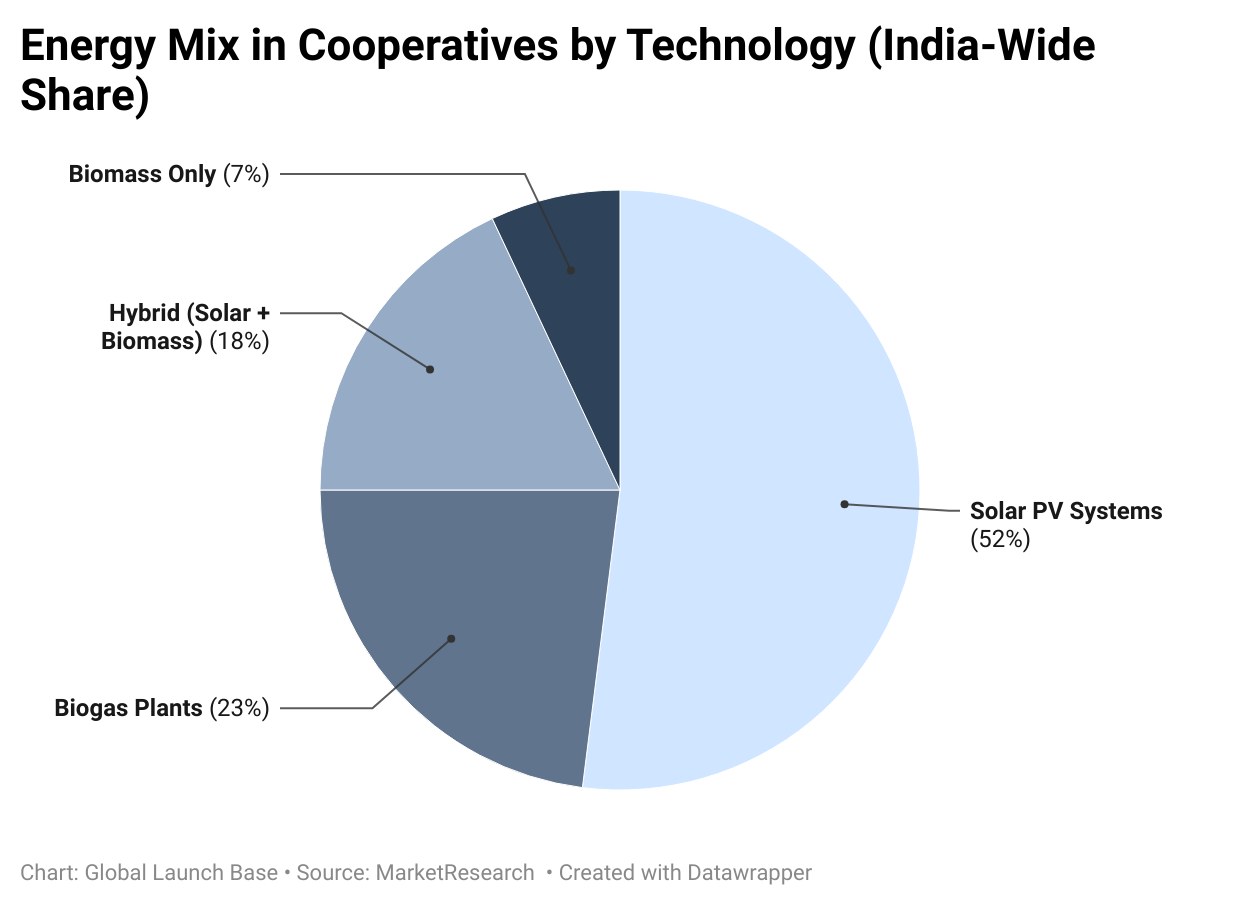
A centralized system can process large volumes of agricultural waste and deliver multiple outputs:
- Biogas: Distributed to households for cooking
- Electricity: Used for irrigation, storage, and local enterprises
- Biochar: Returned to farms to enhance soil health
Such systems are designed to be circular, where waste becomes input, and output strengthens the farm ecosystem.
Technology is Enabling Multi-Output Efficiency
New-age solutions are now capable of:
- Converting biomass into gas efficiently
- Generating electricity alongside biogas
- Producing biochar as a valuable by-product
These innovations make it possible to build integrated energy systems, rather than single-purpose units.
Economic and Environmental Benefits
The village-level model offers strong advantages:
1. Cost Savings
- Reduced dependency on LPG and external electricity
- Lower input costs for farmers
2. Additional Income Opportunities
- Sale of surplus electricity
- Value-added products like biochar
3. Waste Management
- Eliminates stubble burning
- Reduces on-farm waste accumulation
4. Environmental Impact
- Lower carbon emissions
- Improved soil quality through biochar
The Power of Collective Action
The success of this model depends on community participation. When farmers collaborate:
- Scale improves efficiency
- Costs are shared
- Benefits are distributed
This transforms energy production from an individual effort into a village-level enterprise.
A Scalable Model for Rural India
Village-level biogas and energy systems have the potential to become a key pillar of rural infrastructure. With the right support—policy, financing, and awareness—these systems can:
- Strengthen energy independence
- Boost rural economies
- Promote sustainable farming practices
1. Agricultural Waste as a National Energy Asset (With Industry Players)
- India generates 500–600 million tonnes of agricultural waste annually
- Companies are already working to convert this into energy:
Key players:
- Bharat Renewables Pvt Ltd – builds large-scale biogas and CBG plants across India
- Clarke Energy – deploying biogas upgrading systems in India
Angle: Industry validation that agri-waste is now being treated as a structured energy resource
2. Village-Level Energy Infrastructure (Technology Providers)
- Community plants can process 5–50 tonnes/day at village scale
Companies enabling such systems:
- Urja Bio System Pvt Ltd – turnkey biogas-to-power and piped gas systems
- Netel India – modular biogas systems handling 100–20,000 kg/day waste
Angle: Technology is already available for decentralized village deployment
3. Circular Economy and Biochar Innovation
- Biochar improves soil and creates carbon credits
Emerging companies:
- Sarva GreenEarth – converts agri-residue into biochar and syngas for energy
- Takachar – converts crop waste into biochar/biocoal, reducing stubble burning
Angle: Waste-to-energy is evolving into waste-to-energy + carbon markets
4. Waste-to-Energy Project Developers
- Integrated plants produce:
- Electricity
- Bio-CNG
- Organic fertilizer
Companies working in this space:
- Kaveish Bioenergy – handles domestic to industrial waste-to-energy projects
- Srinivas Waste Management Services – operates large bio-CNG plants converting municipal waste
Angle: Real implementation models already exist at city and industrial level
5. Large-Scale Energy and Oil Companies Entering Biogas
- Major corporations are investing in bio-CNG and waste-to-energy
Examples:
- Bharat Petroleum Corporation Limited – investing in large CBG plants processing municipal waste
- GAIL – involved in biogas/CBG ecosystem partnerships
Angle: Biogas is moving from startup space → mainstream energy sector
6. Industrial Adoption of Biochar and Gasification
- Industries are adopting waste-to-energy for decarbonization
Example:
- Sow & Reap Chara Pvt Ltd – deploying biochar and gasification units for industrial energy use
Angle: Shows scalability beyond villages into industrial energy systems
Conclusion
The future of rural energy in India does not lie in isolated solutions, but in collective, scalable systems. By turning agricultural waste into a shared resource, villages can move towards energy self-sufficiency, improved incomes, and environmental sustainability.
The opportunity is immediate—and the model is ready. What’s needed now is execution at scale.