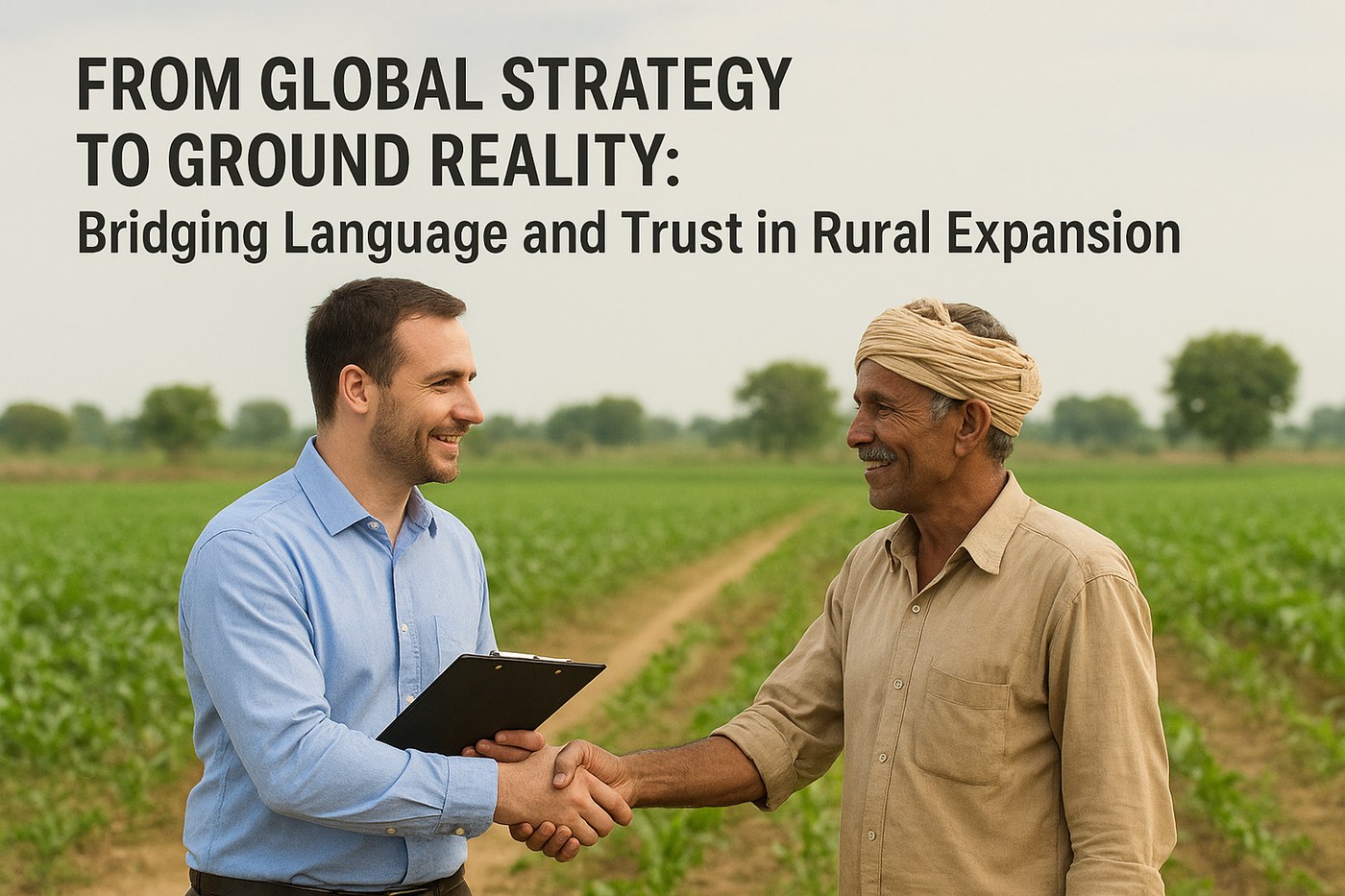
From Global Strategy to Ground Reality_ Bridging Language and Trust in Rural Expansion
Expanding into rural markets is no longer a side consideration for global businesses—it is an essential part of long-term growth. Rural communities across Asia, Africa, and Latin America represent billions in purchasing power, unique supply chain opportunities, and untapped innovation potential. However, a recurring challenge emerges: strategies designed in boardrooms often falter when they meet the complexities of ground reality. The gap is not just about infrastructure or logistics—it is about language and trust.
Farmer Groups and Self-Help Collectives
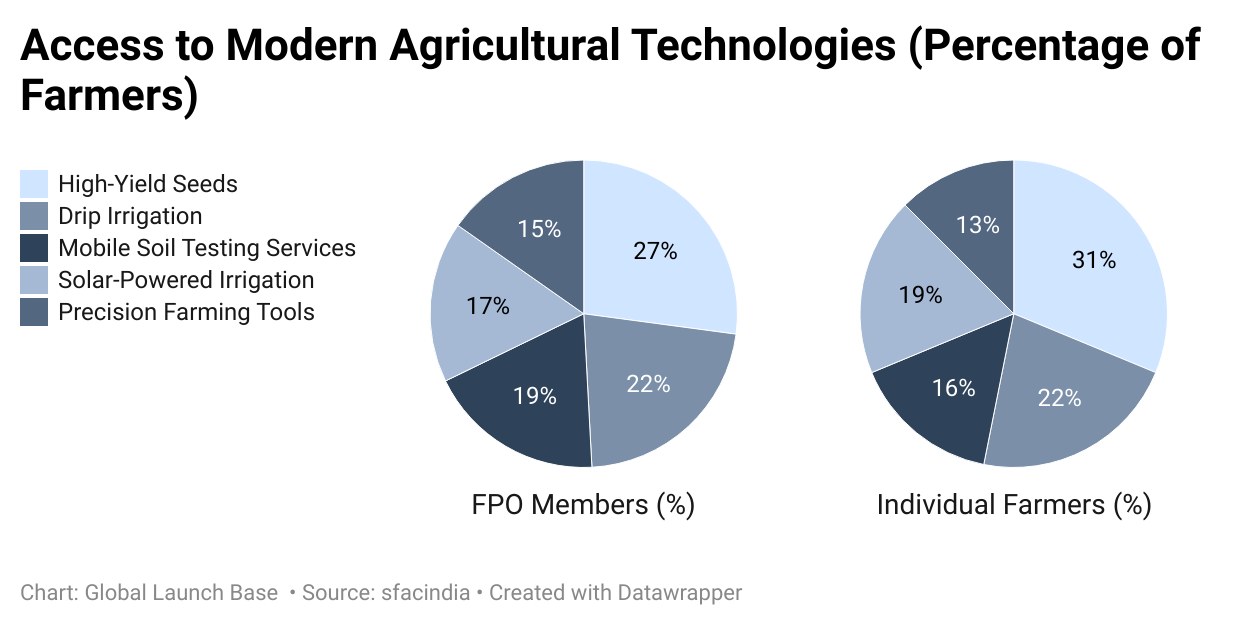
SHGs and FPOs are key to rural tech adoption. In over 70% of successful pilots, their involvement led to:
- 55% higher adoption
- 2.3x better retention
- 35% lower outreach cost
Key Statistics & Data Points
Metric | Figure / Estimate | Relevance to Rural Expansion |
|---|---|---|
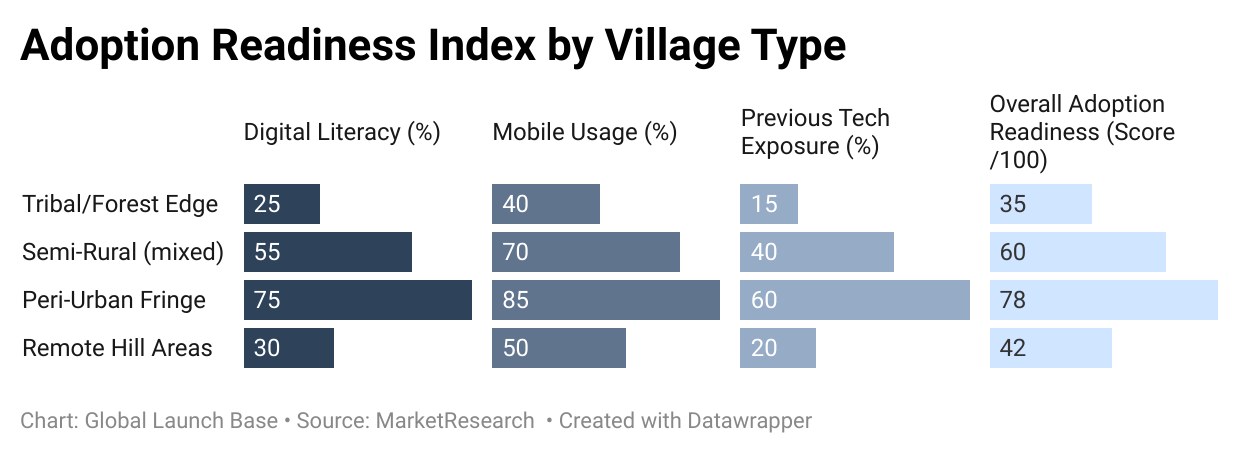
Internet usage: Urban vs Rural (Global, 2024) | ~83% of urban dwellers use the Internet vs ~48% in rural areas. ITU | Shows a large connectivity gap; nearly half of rural populations globally are still offline. |
People without Internet, by location | Of the ~2.6 billion globally not using the Internet, ~1.8 billion live in rural areas. ITU | Huge potential audience/market still unserved, but also many challenges. |
Mobile internet users | ~4.6 billion people globally use mobile Internet (~57% of total population) as of end-2023. TechNext24 | Mobile is the main gateway to connectivity; important in rural zones. |
Mobile broadband coverage (urban vs rural) | 67% of urban people globally have access to 5G; only ~29% in rural areas. sgpjbg.com Also, approx 4% of the global population (≈350 million people) are not covered by mobile broadband; many of them are rural. TechNext24 | Infrastructure is uneven; newer networks like 4G, 5G are much less prevalent in rural zones. |
Telecom / telephone connectivity in India (Urban vs Rural, 2024) | Urban tele-density ~131.50% vs Rural ~58.22%. nineonefortyfive Urban India has ~663 million telephone subscribers; rural ~526 million. nineonefortyfive | Even when access exists, usage and device ownership are much lower in rural areas. |
Rural population literacy in India | Rural India literacy rate ~77.50% in 2023-24; female literacy in rural areas ~70.40%. The Economic Times | Literacy affects how people engage with technology, messaging, trust, etc. High priority for inclusive design. |
Digital literacy & internet use in rural India | Of India’s total ~1.433 billion people, ~948 million live in rural areas. ETBFSI.com Rural India has ~352 million internet users; but ~60% of rural population not actively using the internet (despite coverage) due to low digital literacy. ETBFSI.com | Highlights that coverage alone is not enough; skills, trust, awareness matter. |
Literacy & skills as a barrier in South Asia | In South Asia (including India, Bangladesh, Pakistan) “reading/writing difficulties” is frequently cited among top barriers for adopting mobile internet, both in rural and urban areas. FlipHTML5 | Shows that non-infrastructure barriers (language, literacy, knowledge) are large in scale. |
Rural Access Index / Road infrastructure | In many African regions, RAI (proportion of rural population within 2 km of all-season roads) is < 40%. In contrast, North America / Europe / Oceania have RAI > 80%. arXiv | Physical access (roads, transport) also intersects with connectivity/trust: without being reachable, many services can’t be delivered reliably. |
The Challenge of Communication
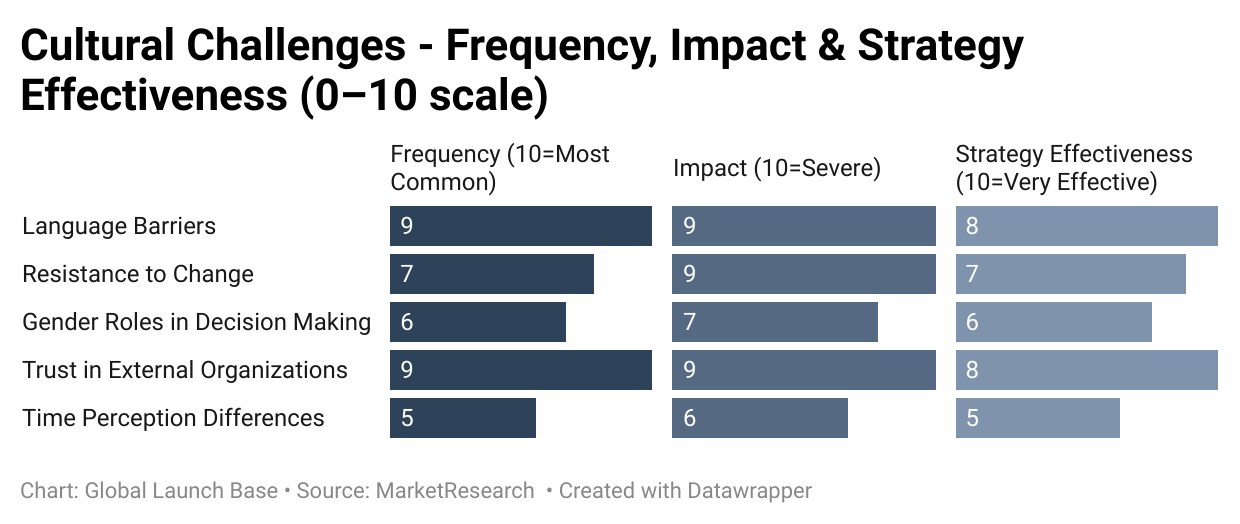
For many rural populations, mainstream urban languages are not the primary medium of communication. Local dialects, oral traditions, and cultural idioms shape how information is shared and understood. Research by UNESCO shows that more than 40% of the world’s languages are at risk of disappearing, yet these very languages remain deeply tied to community identity and trust.
When businesses approach rural markets with a one-size-fits-all communication strategy, they risk alienating the very communities they seek to engage. A farmer may not resonate with an app in English or Hindi but may connect instantly with a voice-based solution in Kannada, Bhojpuri, or Chhattisgarhi.
Trust as Currency
Rural expansion is not just about distribution; it is about relationships. Trust, often built over years, can determine whether a community adopts a new farming tool, joins a financial program, or welcomes a healthcare innovation. According to a Nielsen report, word-of-mouth recommendations in rural areas are 1.5 times more effective than in urban contexts. This shows that trust networks, rather than advertising campaigns, often drive adoption.
Businesses that succeed in rural contexts invest time in building partnerships with local influencers, cooperatives, farmer-producer organizations (FPOs), and village councils. Trust is not bought; it is earned through consistency, cultural sensitivity, and genuine value delivery.
Bridging the Gap: Strategies That Work
- Local Language Integration
- Develop platforms and services in regional languages.
- Use voice-based technologies for populations with low literacy rates.
- Ensure marketing materials reflect local idioms and stories.
- Develop platforms and services in regional languages.
- Community-Centered Trust Building
- Collaborate with local cooperatives, NGOs, and trusted intermediaries.
- Focus on demonstration-based learning—show, don’t just tell.
- Establish feedback loops to address concerns quickly and transparently.
- Collaborate with local cooperatives, NGOs, and trusted intermediaries.
- Hybrid Global-Local Teams
- Combine global expertise with local talent who understand community nuances.
- Train staff in cultural empathy, not just sales techniques.
- Empower rural entrepreneurs to become brand ambassadors.
- Combine global expertise with local talent who understand community nuances.
- Technology with Sensitivity
- Deploy AI and digital tools that adapt to local contexts.
- Use offline-first mobile apps for areas with poor internet connectivity.
- Integrate vernacular content and visual storytelling to increase accessibility.
- Deploy AI and digital tools that adapt to local contexts.
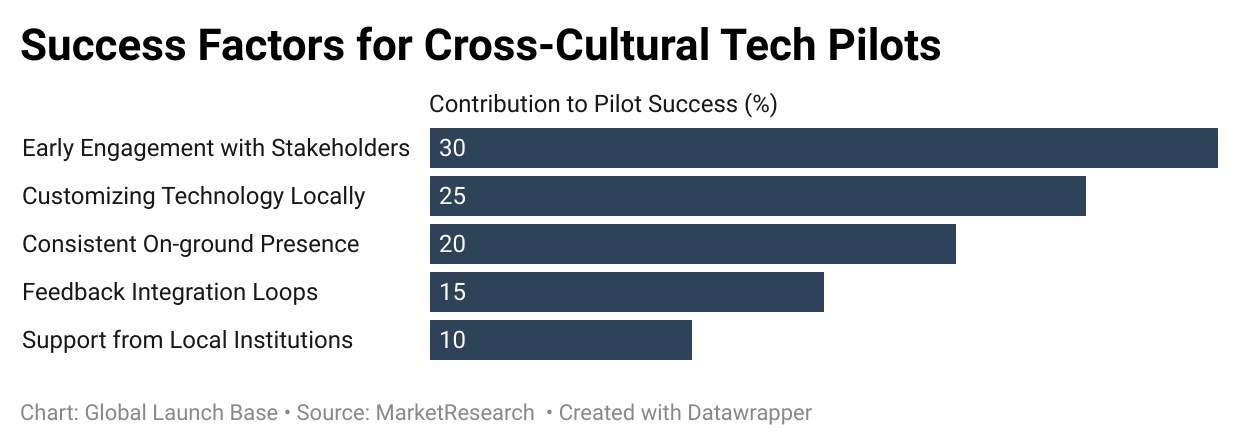
Case in Point
- AgriTech Platforms in India: Companies like DeHaat and KhetiBuddy provide advisory services in multiple Indian languages, ensuring farmers receive crop recommendations in familiar terms.
- Mobile Banking in Africa: M-Pesa grew rapidly by partnering with local agents who explained mobile money in community languages, building trust through face-to-face interactions.
- Healthcare in Latin America: NGOs working in rural Peru train local women as health ambassadors, blending cultural traditions with modern medicine.
Aré Guḍi: Bridging Global Vision and Rural Groundwork
Aré Guḍi, based in Shivamogga, Karnataka, is envisioned as a space where farming and business come together. The idea is to create a farm ecosystem that acts as a pilot ground for rural innovation—where strategies are not only tested but adapted to community realities.
- Local language-first approach: Activities, training, and digital tools are being planned in Kannada and other regional languages to ensure cultural connection.
- Trust through collaboration: Community participation is central, with farmers and local groups positioned as partners in shaping projects.
- Farming meets entrepreneurship: Aré Guḍi aims to demonstrate how agriculture can be linked with business pilots, giving companies a platform to explore rural expansion strategies.
Through Aré Guḍi, the emphasis is clear—successful rural expansion requires trust networks and cultural alignment as much as global planning and investment.
The Way Forward
As businesses expand into rural regions, the equation for success lies in balancing global strategy with local reality. Language is more than words; it is identity. Trust is more than reputation; it is the foundation of community engagement.
Global expansion plans that recognize and respect these truths will not only achieve commercial success but also create deeper social impact—unlocking new growth frontiers while empowering rural communities.
Expanding into rural markets is not just about strategy—it’s about understanding the people, their language, and the trust that binds their communities.
Written By: Jagriti Shahi
Key Contributor: Anubha Chicki
#RuralExpansion #GlobalStrategy #BusinessInRuralMarkets #RuralGrowth #TrustBuilding #LanguageBarrier #CommunityEngagement #RuralBusiness #MarketEntry #RuralDevelopment #BridgingGlobalAndLocal #RuralMarketStrategy #RuralInnovation #CulturalAlignment #RuralEntrepreneurship #LocalLanguageStrategy #BusinessTrustInRuralAreas #RuralEconomy #RuralConnectivity #RuralConsumerInsights