How Bio-Based Materials Can Replace Plastics: The Future of Sustainable Manufacturing
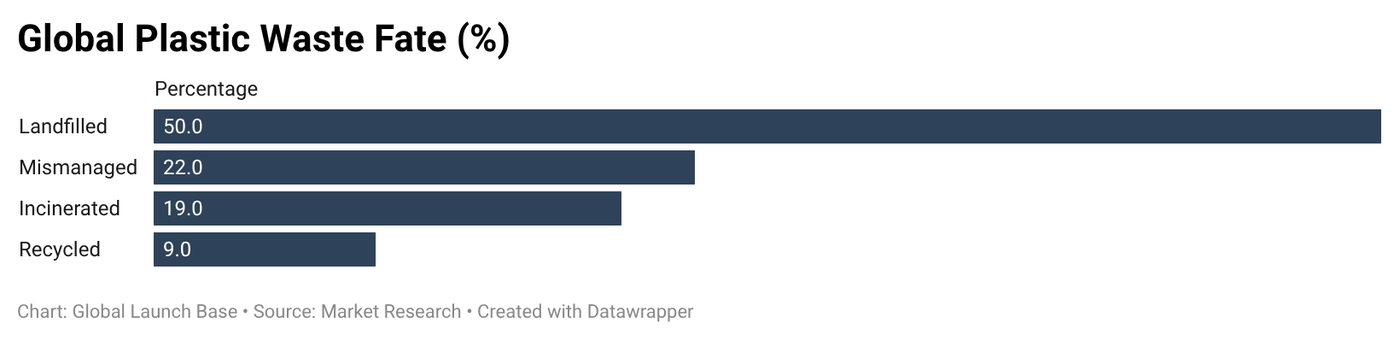
Plastic has become one of the defining materials of modern civilization. It is lightweight, durable, inexpensive, and incredibly versatile. Yet these same characteristics have created one of the world's largest environmental challenges. More than 400 million tonnes of plastic are produced globally every year, while only a small fraction is effectively recycled. The remainder accumulates in landfills, rivers, oceans, and even the human body in the form of microplastics.
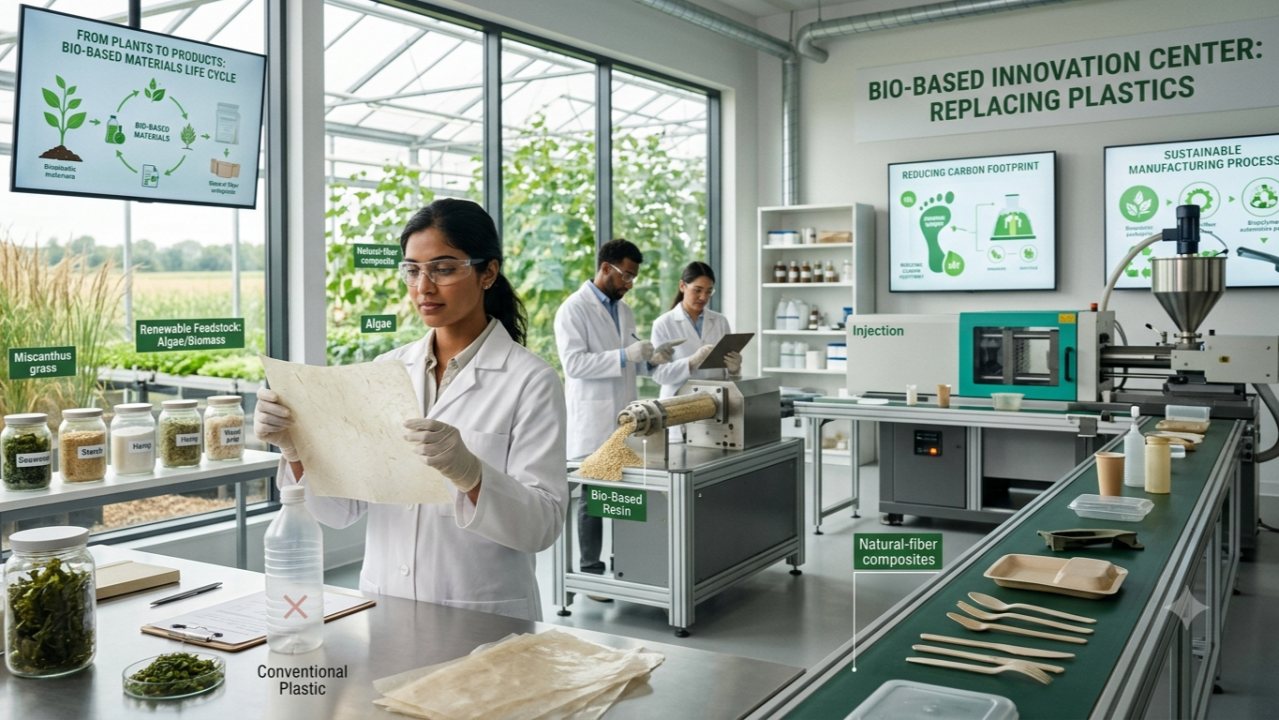
Governments, businesses, and consumers are therefore searching for alternatives that provide the functionality of plastic without its long-term environmental costs. Among the most promising solutions are bio-based materials—renewable materials derived from plants, agricultural residues, fungi, algae, and natural fibers.
Rather than simply replacing one material with another, bio-based materials are enabling an entirely new approach to product design, waste management, and circular manufacturing.
Why Conventional Plastics Are Becoming Unsustainable
Traditional plastics are primarily manufactured from petroleum and natural gas. While highly efficient to produce, they present several long-term challenges:
- Dependence on fossil fuels
- High greenhouse gas emissions
- Low recycling rates
- Persistent environmental pollution
- Ocean contamination
- Wildlife harm
- Microplastic accumulation in food and water
Single-use packaging alone accounts for nearly 40% of global plastic production, making it one of the biggest opportunities for sustainable substitution.
What Are Bio-Based Materials?
Bio-based materials are manufactured wholly or partly from renewable biological resources instead of fossil fuels.
These materials include:
| Material | Source | Typical Applications |
|---|---|---|
| PLA (Polylactic Acid) | Corn starch, sugarcane | Food packaging, disposable cutlery |
| PHA | Bacterial fermentation | Medical products, packaging |
| Bagasse | Sugarcane residue | Plates, containers, packaging |
| Bamboo Fiber | Bamboo | Household goods, packaging |
| Hemp Fiber | Hemp plant | Textiles, composites |
| Areca Leaf | Naturally fallen areca leaves | Plates, bowls, food containers |
| Mushroom Mycelium | Fungal roots | Protective packaging, insulation |
| Seaweed-Based Materials | Marine algae | Flexible packaging, edible films |
Unlike petroleum plastics, these materials originate from renewable biological cycles.
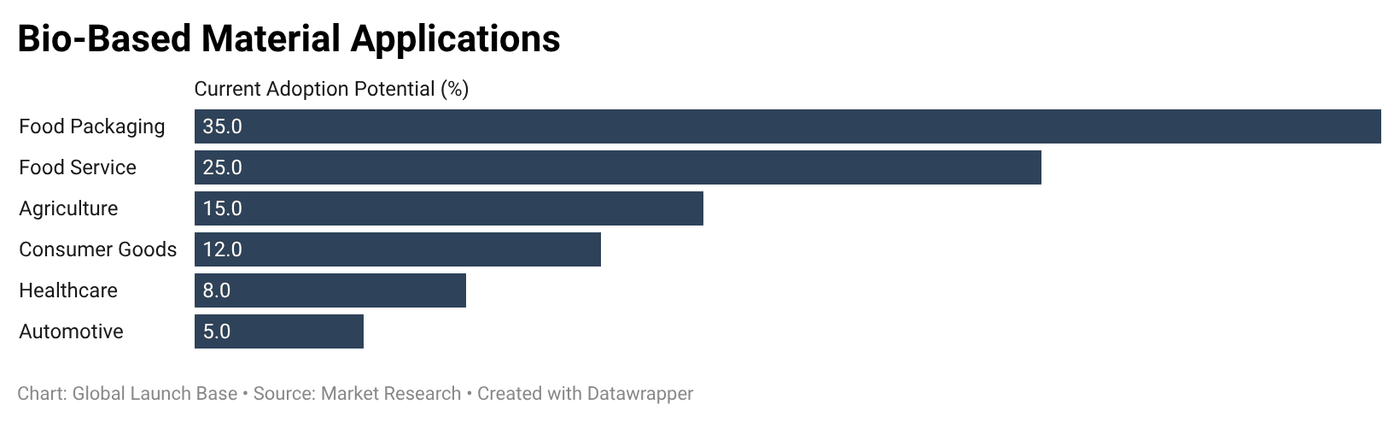
Where Bio-Based Materials Are Already Replacing Plastics
1. Sustainable Packaging
Packaging represents the largest opportunity.
Companies increasingly replace plastic trays, cups, containers, and wrapping with:
- Bagasse packaging
- PLA containers
- Molded fiber packaging
- Mushroom packaging
- Seaweed films
Major food delivery brands have already begun shifting toward fiber-based packaging solutions.
2. Food Service Industry
Restaurants and cafeterias are moving away from plastic cutlery and plates.
Common replacements include:
- Areca leaf plates
- Bamboo cutlery
- Wooden stirrers
- Bagasse lunch boxes
- Compostable cups
These products perform similarly while significantly reducing plastic waste.
3. Agriculture
Plastic mulch films, nursery trays, and plant pots generate significant agricultural waste.
Bio-based alternatives include:
Bio-based alternatives include:
- Biodegradable mulch films
- Coconut coir pots
- Rice husk seedling trays
- Compostable nursery containers
These materials can naturally degrade after use, reducing collection costs for farmers.
4. Consumer Products
Many everyday household items are transitioning toward bio-based materials:
- Toothbrush handles
- Phone cases
- Storage containers
- Stationery
- Furniture composites
Natural fibers combined with bio-resins create durable products with a lower carbon footprint.
The Rise of Agricultural Waste as a Resource
One of the most exciting developments is the use of agricultural residues.
Instead of burning or discarding crop waste, manufacturers now convert residues into valuable products.
Examples include:
| Agricultural Residue | New Product |
|---|---|
| Sugarcane Bagasse | Food packaging |
| Wheat Straw | Paper products |
| Rice Husk | Composite boards |
| Banana Fiber | Textiles |
| Corn Starch | Bioplastics |
| Areca Leaves | Disposable tableware |
| Coconut Fiber | Packaging and mats |
This approach creates additional income for farmers while reducing waste.
Why Areca Leaf Products Stand Out
Among bio-based materials, areca leaf products offer unique advantages.
Unlike many alternatives, they require no tree cutting.
The leaves naturally fall from areca palms and are collected, cleaned, heat-pressed, and shaped into disposable products.
Benefits include:
- 100% natural
- No chemicals required
- Home compostable
- Heat resistant
- Microwave safe
- Attractive natural appearance
- Utilizes agricultural waste
Countries including India have become leading producers of areca leaf tableware, supplying environmentally conscious markets worldwide.
Environmental Benefits of Bio-Based Materials
Lower Carbon Emissions
Many bio-based materials store carbon during plant growth.
Compared to fossil plastics, their lifecycle emissions can be substantially lower when sustainably sourced.
Reduced Fossil Fuel Dependency
Replacing petroleum with renewable biomass decreases dependence on finite resources and improves resource security.
Improved Circularity
Many bio-based products can:
- Be composted
- Be recycled (depending on material)
- Return nutrients to soil
- Reduce landfill accumulation
This supports the transition toward a circular economy.
Better Waste Management
Agricultural residues become valuable industrial feedstocks rather than waste requiring disposal.
This creates local manufacturing opportunities and reduces open-field burning.
Challenges That Still Need Solving
Despite rapid progress, bio-based materials face several challenges.
Cost
Many bio-based products remain more expensive than conventional plastics because of lower production volumes and evolving supply chains.
Industrial Composting Infrastructure
Some bioplastics require industrial composting facilities to break down effectively.
Without appropriate infrastructure, environmental benefits may be reduced.
Performance Requirements
High-temperature applications, long-term durability, and moisture resistance remain challenging for certain bio-based materials.
Ongoing research continues to improve these properties.
Feedstock Availability
Large-scale adoption must ensure that biomass sourcing does not compete with food production or contribute to deforestation.
Agricultural residues and waste streams offer the most sustainable pathway.
Innovation Is Accelerating
Research institutions and startups are developing next-generation materials including:
- Seaweed-based flexible films
- Algae-derived polymers
- Cellulose nanofibers
- Lignin-based plastics
- Mycelium composites
- Protein-based packaging
- Bio-based engineering polymers
Many of these innovations are approaching commercial scale.
India's Opportunity in the Bio-Based Economy
India is particularly well positioned to become a global leader in bio-based materials because of its abundant agricultural resources.
Every year, the country generates hundreds of millions of tonnes of agricultural residues, including:
- Sugarcane bagasse
- Rice straw
- Wheat straw
- Coconut fiber
- Banana fiber
- Areca leaves
- Bamboo
These feedstocks can support industries producing sustainable packaging, disposable products, construction materials, textiles, and bio-composites.
Government initiatives promoting a circular economy, reduced single-use plastics, and value addition to agricultural waste further strengthen this opportunity.
The Future Beyond Plastic
The future is unlikely to rely on a single replacement for plastic. Instead, different bio-based materials will serve different applications based on performance, cost, and end-of-life requirements.
A likely future includes:
- Compostable food packaging
- Fiber-based consumer products
- Agricultural waste composites
- Bio-based engineering materials
- Recyclable and renewable polymers
- Regional manufacturing using local biomass
This diversified approach reduces environmental impact while creating new economic opportunities for farmers, manufacturers, and innovators.
Conclusion
Bio-based materials are no longer niche alternatives—they are becoming essential components of sustainable manufacturing. By transforming renewable resources and agricultural residues into practical products, they offer a pathway to reduce fossil fuel dependence, cut plastic pollution, and build a more circular economy.
Success will depend on continued innovation, supportive policies, investment in composting and recycling infrastructure, and collaboration across industries. For countries with strong agricultural sectors, including India, bio-based materials represent not only an environmental solution but also a significant economic opportunity. As businesses and consumers increasingly prioritize sustainability, the transition from conventional plastics to renewable, bio-based alternatives is set to reshape manufacturing and packaging for decades to come.