How Coastal States Can Build Global Marine Innovation Hubs
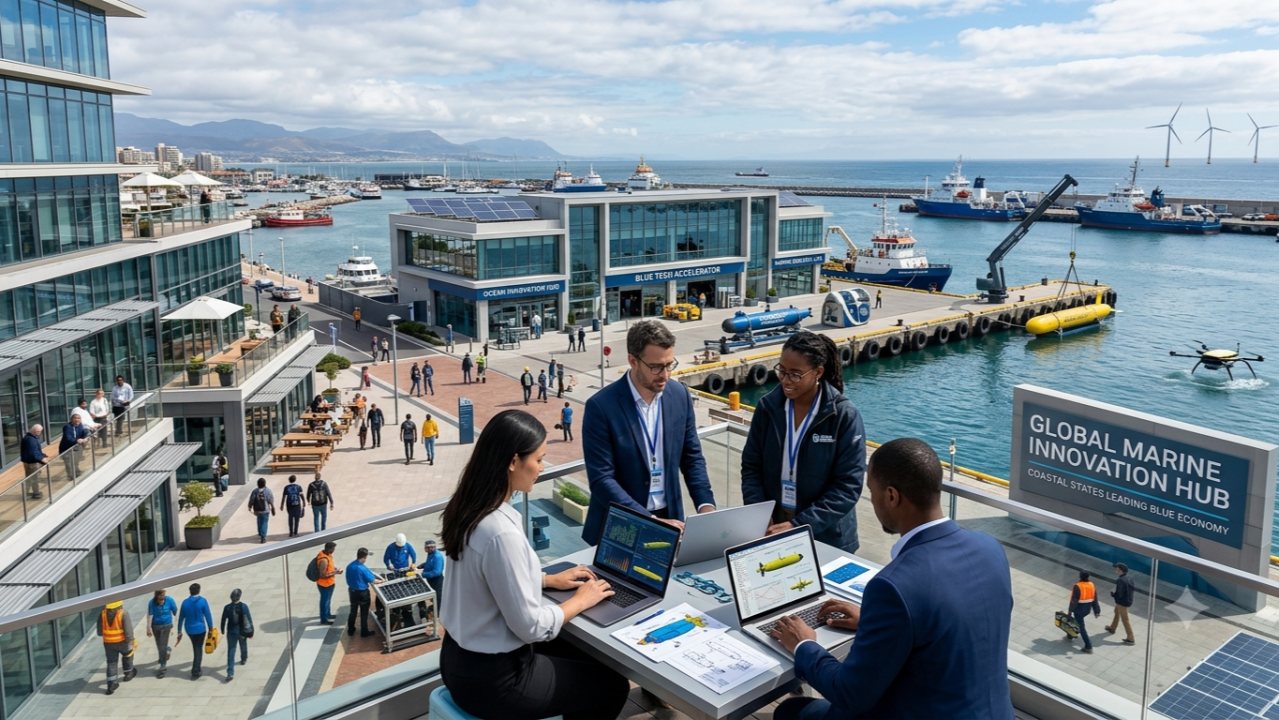
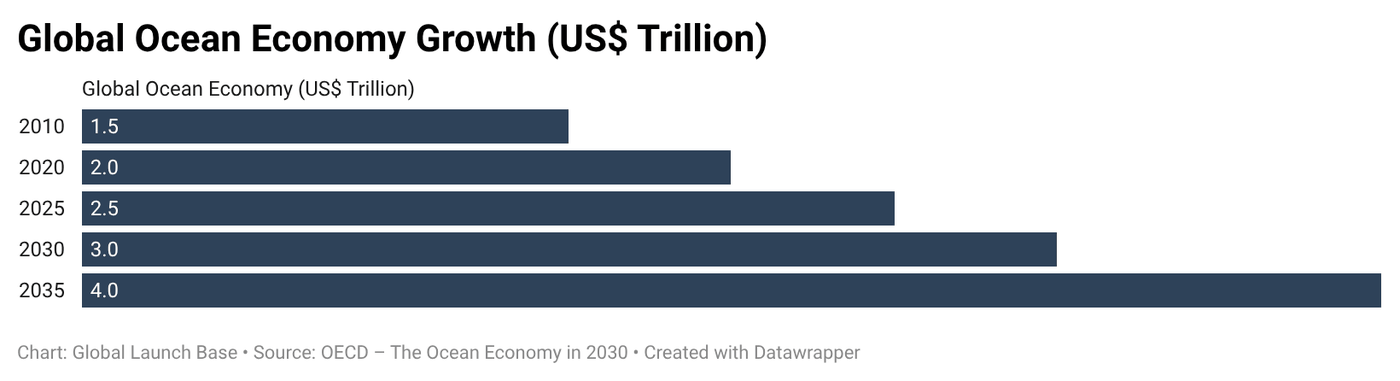
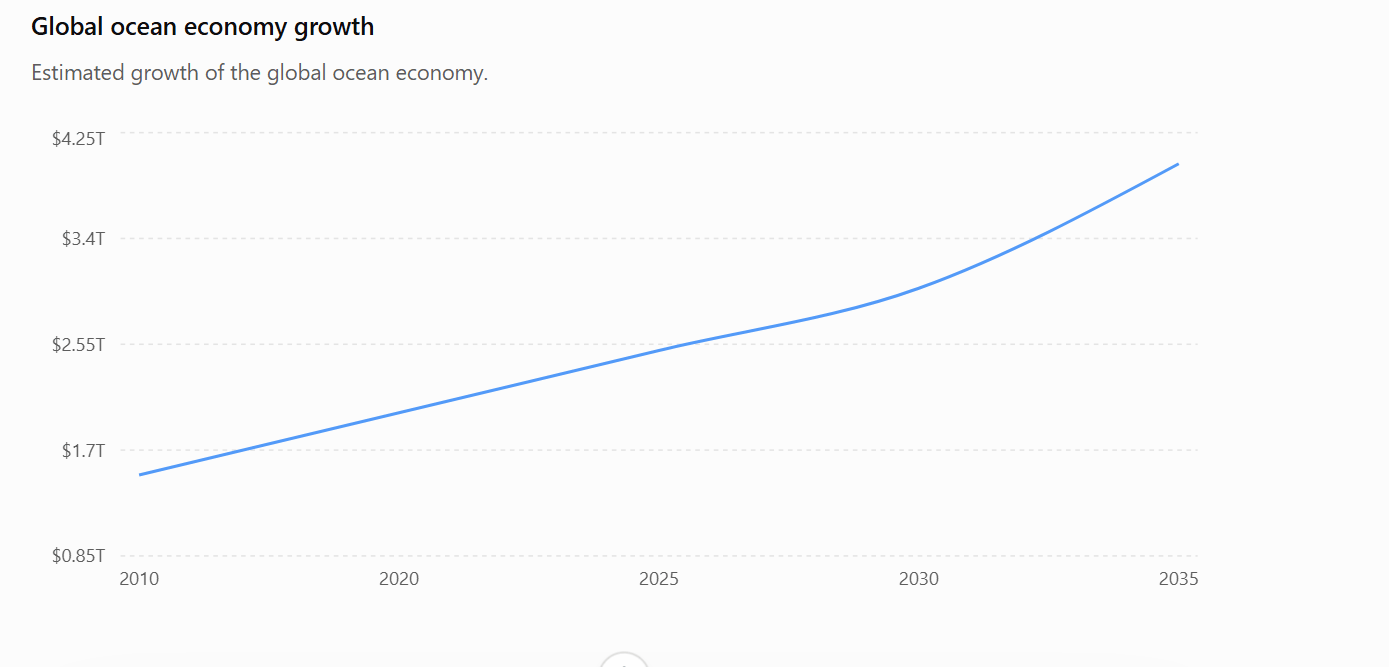
The ocean economy is becoming one of the fastest-growing sectors in the world. According to the Organisation for Economic Co-operation and Development (OECD), the global ocean economy is expected to exceed US$3 trillion by 2030, potentially creating millions of new jobs across shipping, marine biotechnology, renewable energy, tourism, and fisheries. More than 100 million jobs worldwide already depend directly on ocean-related industries.
Size of Major Marine Markets
| Sector | Global Market Size | Forecast Year |
|---|---|---|
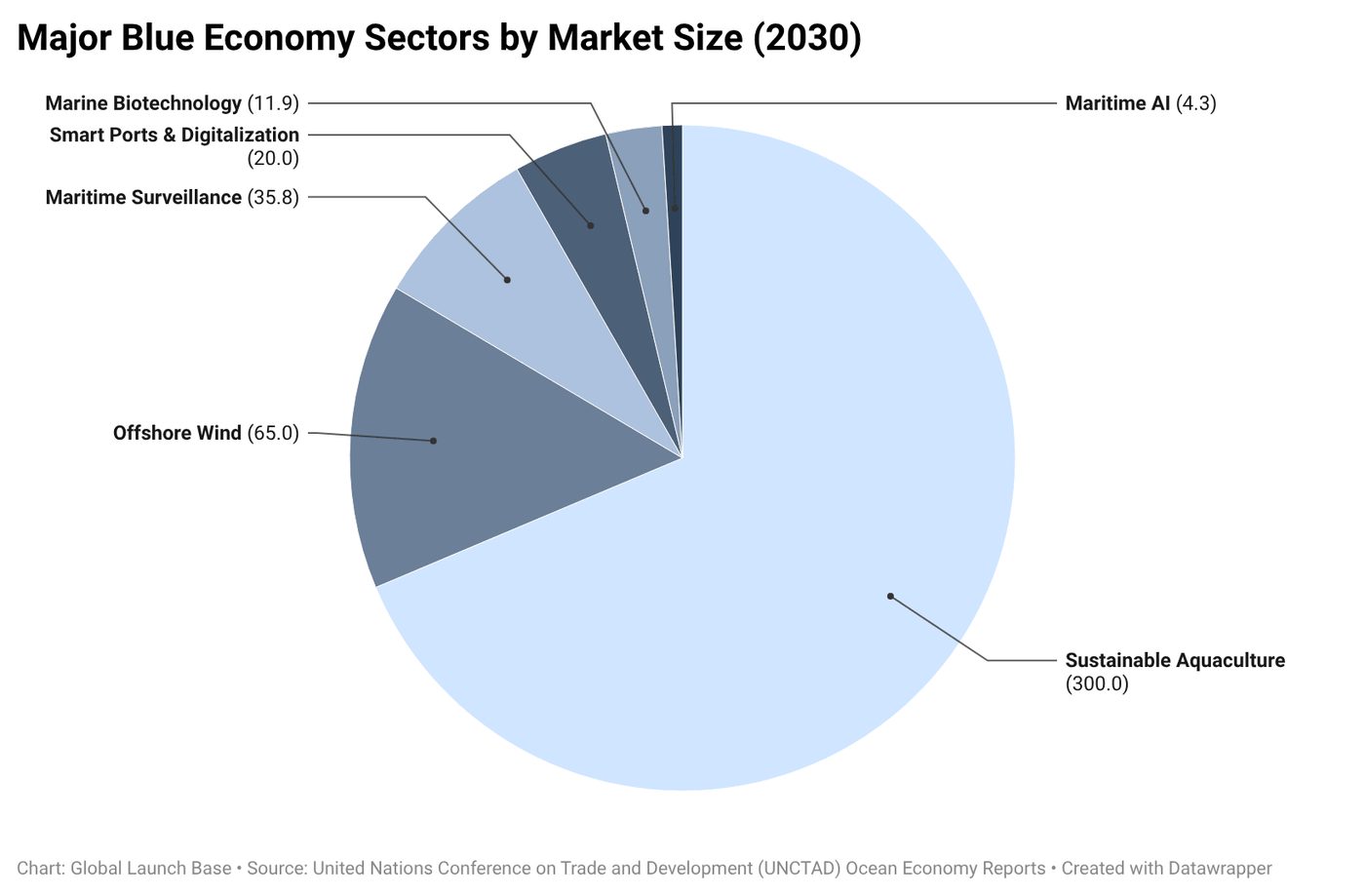
| Ocean Economy | US$3 Trillion+ | 2030 |
| Offshore Wind | US$65 Billion | 2030 |
| Marine Biotechnology | US$11.9 Billion | 2030 |
| Maritime AI | US$4.3 Billion+ and growing at 40.6% CAGR | 2030 |
| Maritime Surveillance | US$35.8 Billion | 2030 |
| Marine Digital Twin Solutions | US$3.29 Billion | 2033 |
Why Coastal States Should Act Now
Nearly 90% of global trade is transported by sea, making maritime infrastructure and marine technology essential to the global economy. Countries that develop marine innovation ecosystems today can become suppliers of technologies and services to ports, shipping companies, and coastal communities worldwide.
The next decade will see enormous investments in:
- Green shipping
- Autonomous vessels
- Smart ports
- Offshore renewable energy
- Blue carbon projects
- Sustainable aquaculture
- Ocean data analytics
- Climate adaptation technologies
Foreign Market Opportunities for Coastal States
1. Marine Technology Exports
Coastal states can export:
- Smart fishing systems
- Marine drones
- Water quality sensors
- Port management software
- Marine IoT devices
- Navigation systems
- Underwater robotics
Major Import Markets
- Norway
- Singapore
- Netherlands
- Japan
- Australia
- United States
2. Marine Biotechnology Exports
The global marine biotechnology market is expected to reach nearly US$12 billion by 2030, driven by demand for:
- Pharmaceuticals
- Nutraceuticals
- Cosmetics
- Biofertilizers
- Functional foods
- Marine enzymes
Asia-Pacific is projected to become the fastest-growing region for marine biotechnology.
Export Opportunities for India
| Product | Major Markets |
|---|---|
| Seaweed Extracts | Japan, South Korea, EU |
| Marine Nutraceuticals | USA, Germany |
| Algae-based Cosmetics | France, South Korea |
| Bioactive Compounds | USA, Canada |
| Aquaculture Inputs | Southeast Asia |
3. Offshore Renewable Energy
The global offshore wind market is projected to reach US$65 billion by 2030, creating opportunities for:
- Turbine component manufacturing
- Marine engineering services
- Underwater inspection technologies
- Port infrastructure
- Specialized vessels
Europe currently accounts for almost half of the global offshore wind market.
Export Opportunities
| Service | Target Markets |
|---|---|
| Offshore engineering | UK, Denmark |
| Marine cables | Europe |
| Port design consultancy | Africa |
| Wind monitoring systems | Southeast Asia |
4. Smart Ports and Maritime Digitalization
The maritime industry is rapidly adopting:
- Artificial Intelligence
- Digital Twins
- Predictive maintenance
- Autonomous navigation
- Blockchain logistics
The marine digital twin market alone is expected to grow at a 22.7% CAGR through 2033, while the maritime AI market is growing at over 40% annually.
This creates opportunities for:
- Software startups
- Data analytics companies
- GIS companies
- Cybersecurity firms
- Port automation providers
Emerging Global Blue Economy Investment Areas
| Sector | Estimated Investment Opportunity by 2030 |
|---|---|
| Offshore Wind | US$65 Billion |
| Marine Biotechnology | US$12 Billion |
| Smart Ports | US$20+ Billion |
| Blue Carbon | US$100+ Billion Potential Market |
| Sustainable Aquaculture | US$300+ Billion |
| Maritime AI | Rapidly expanding |
| Marine Surveillance | US$35.8 Billion |
Strategic Opportunity for India's Coastal States
India has:
- 7,500 km coastline
- 12 major ports
- More than 200 minor and intermediate ports
- An Exclusive Economic Zone of over 2 million square kilometres
- Access to major international shipping routes.
These advantages position states like:
- Goa
- Karnataka
- Kerala
- Tamil Nadu
- Gujarat
- Andhra Pradesh
to become global hubs for:
- Marine biotechnology
- Ocean startups
- Smart ports
- Green shipping
- Offshore renewable energy
- Aquaculture technology
- Blue carbon projects
- Maritime software exports
Vision 2035: Building a US$100 Billion Blue Economy Ecosystem
If coastal states invest in innovation ecosystems, they can potentially create:
| Indicator | Potential by 2035 |
|---|---|
| Blue Economy Contribution | US$100 Billion+ |
| Direct & Indirect Jobs | 5–10 Million |
| Marine Startups | 5,000+ |
| Export Opportunities | US$20–30 Billion |
| Foreign Investments | US$10 Billion+ |
Conclusion
The global blue economy is entering a transformative phase, with ocean-based industries expected to contribute trillions of dollars to the world economy over the coming decade. From offshore renewable energy and marine biotechnology to smart ports and sustainable aquaculture, the opportunities are immense for coastal states that are willing to invest in innovation, infrastructure, and international partnerships.
Building global marine innovation hubs is not merely about developing ports or increasing maritime trade—it is about creating integrated ecosystems where startups, research institutions, investors, governments, and local communities collaborate to generate sustainable economic growth. Coastal states that successfully combine scientific research, digital technologies, entrepreneurship, and environmental stewardship can position themselves as leaders in the next wave of global economic development.
For countries like India, with over 7,500 kilometres of coastline and strategic access to international shipping routes, the opportunity is particularly significant. By developing specialized marine clusters, promoting blue economy startups, attracting foreign investment, and strengthening global collaborations, India's coastal states can become major exporters of marine technologies, services, and sustainable ocean solutions.
The race to build the world's leading marine innovation hubs has already begun. Nations that act decisively today will not only secure economic benefits and high-value jobs but will also play a critical role in addressing global challenges such as food security, climate resilience, clean energy, and marine conservation.
The future of economic growth lies as much in the oceans as it does on land. Coastal states that embrace innovation, sustainability, and global collaboration today will become the blue economy leaders of tomorrow, transforming their coastlines into engines of prosperity, resilience, and global competitiveness.