How Nature-Based Workspaces Are Shaping the Future of Innovation
GLB - How Nature-Based Workspaces Are Shaping the Future of Innovation
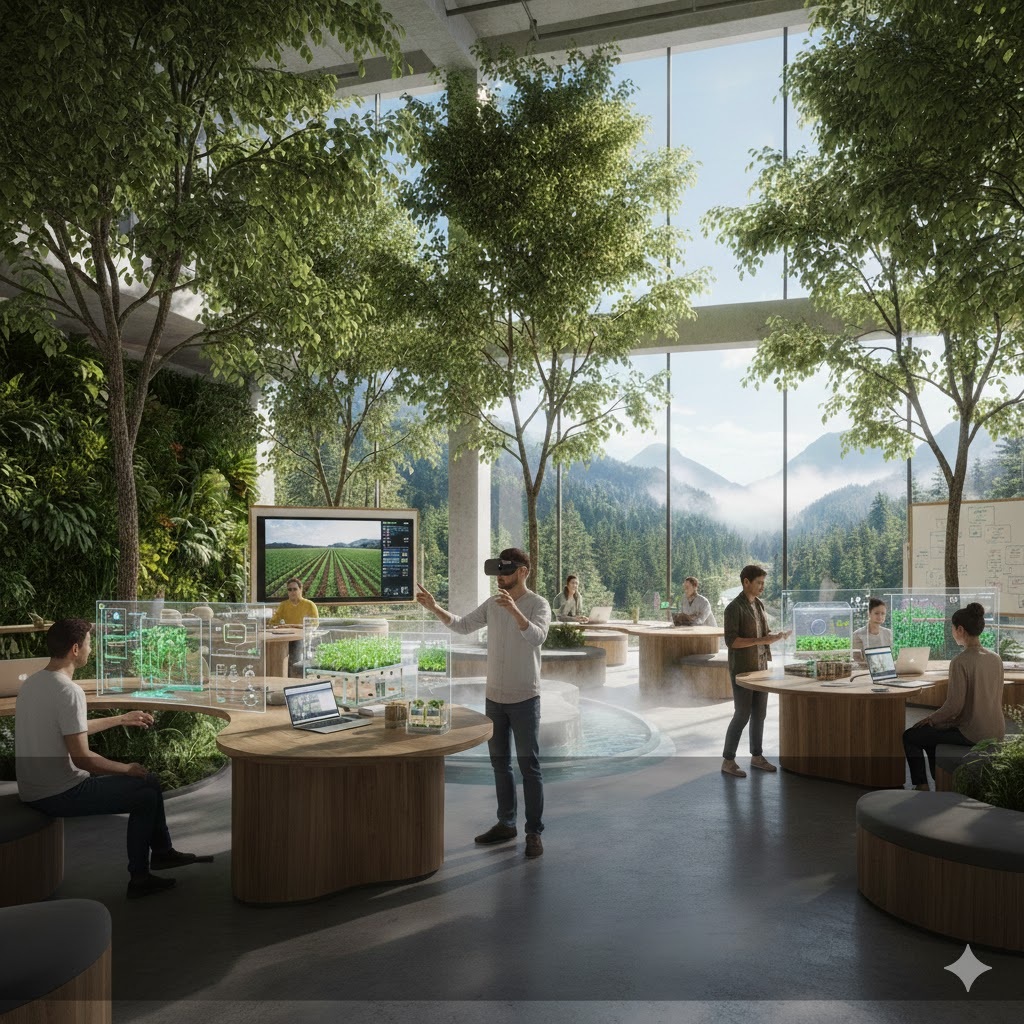
As organizations rethink how and where innovation happens, a new model of work is gaining momentum—nature-based workspaces. Set within green, open, and ecologically rich environments, these spaces are redefining productivity, creativity, and collaboration. Far from being a lifestyle trend, nature-integrated workplaces are emerging as strategic assets for companies focused on long-term innovation.

From Urban Offices to Natural Innovation Hubs
Traditional offices were designed for efficiency and control, often at the cost of well-being and creativity. In contrast, nature-based workspaces prioritize openness, natural light, fresh air, and sensory connection with the environment. Whether located on the edge of cities or within rural ecosystems, these spaces offer a setting where teams can think more clearly and work more intentionally.
For innovation-driven organizations, this shift is significant. Breakthrough ideas rarely emerge from rigid environments; they thrive in spaces that encourage exploration, reflection, and cross-disciplinary thinking.
Innovation Happens Faster in Farm-Based & Field Environments
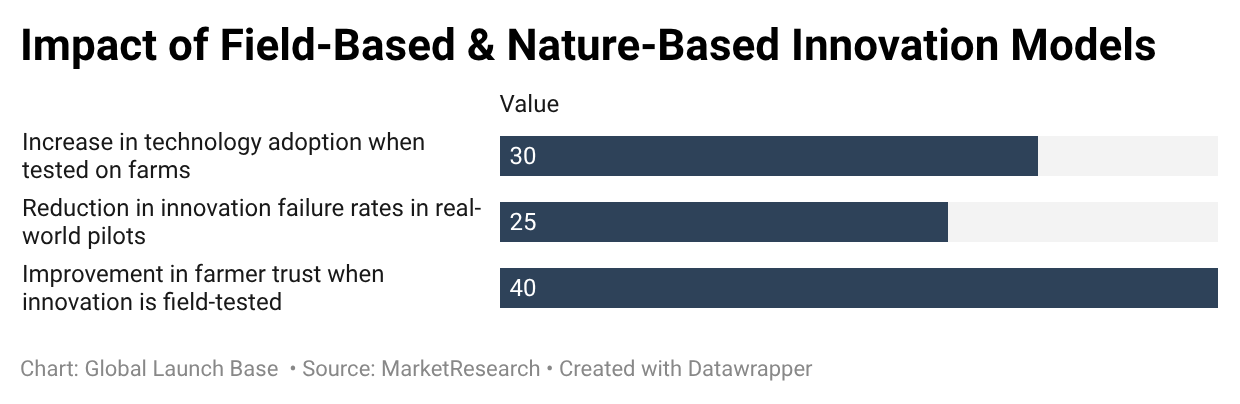
- 70–80% of agricultural innovations fail in labs but succeed after on-farm trials, highlighting the importance of real, nature-based testing environments.
Source: FAO, CGIAR innovation studies - On-farm “living labs” reduce innovation adoption time by 30–40% compared to centralized research stations.
Source: CGIAR Living Labs Framework
Nature-Based Agricultural Research Improves Productivity
- Farmers involved in field-based research and demo farms achieve 10–20% higher yields compared to non-participating peers.
Source: ICAR & World Bank agricultural extension studies - Participatory, nature-based innovation systems increase technology adoption by up to 2× in smallholder farming systems.
Source: World Bank – Agricultural Innovation Systems
The Science Behind Nature and Creativity
Multiple studies show that exposure to natural environments improves cognitive function, focus, and problem-solving abilities. Reduced stress levels and mental fatigue directly impact the quality of ideas generated. In nature-based workspaces, employees experience fewer distractions, deeper concentration, and greater emotional balance—key ingredients for innovation.
This cognitive advantage is especially valuable for teams working on complex challenges in technology, sustainability, agriculture, and design.
Collaboration Becomes More Human
Nature-based workspaces change how people interact. Informal seating, outdoor meeting areas, and shared natural spaces break down hierarchy and encourage open dialogue. Conversations become more fluid, collaboration more organic, and trust easier to build.
Innovation is rarely an individual effort. These environments support collective problem-solving by creating spaces where ideas can evolve naturally through discussion and experimentation.
Supporting Sustainable Innovation
Beyond productivity, nature-based workspaces align with broader sustainability goals. Many are built using eco-friendly materials, operate on low energy, and integrate waste reduction and water conservation practices. This alignment reinforces a culture of responsibility and long-term thinking.
For startups and organizations working on climate, agriculture, or social impact, the workspace itself becomes a living demonstration of values—strengthening credibility with partners, investors, and communities.
Attracting Talent and Retaining Purpose
The future workforce increasingly values purpose, flexibility, and well-being. Nature-based workspaces appeal to professionals seeking meaningful work environments that support both performance and personal health. For organizations, this translates into stronger talent attraction, higher retention, and more engaged teams.
In competitive innovation ecosystems, the quality of the work environment can be a decisive factor.
Enabling Focused Experimentation and Pilot Projects
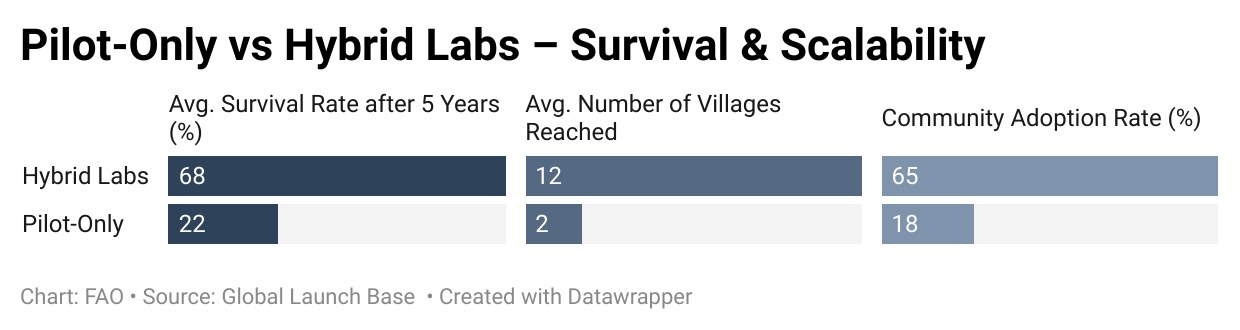
Nature-integrated settings are particularly effective for pilot projects, research, and early-stage experimentation. Away from constant urban noise and operational pressures, teams can test ideas, refine concepts, and learn faster. This makes nature-based workspaces ideal for incubation, strategy retreats, and cross-functional workshops.
Redefining the Future of Work
As hybrid work models become mainstream, the role of physical spaces is shifting. Offices are no longer just places to sit and work; they are becoming destinations for collaboration, creativity, and strategic thinking. Nature-based workspaces fulfill this role by offering something conventional offices cannot—a deep connection between people, place, and purpose.
Conclusion
Nature-based workspaces are shaping the future of innovation by combining human well-being, environmental responsibility, and creative freedom. They provide the mental space needed for bold ideas and the physical environment required for sustainable growth. As innovation challenges grow more complex, the places where we work will play an increasingly critical role—and nature is proving to be one of the most powerful catalysts.