Open-Source Agriculture: The Next Big Opportunity for AgriTech Innovation
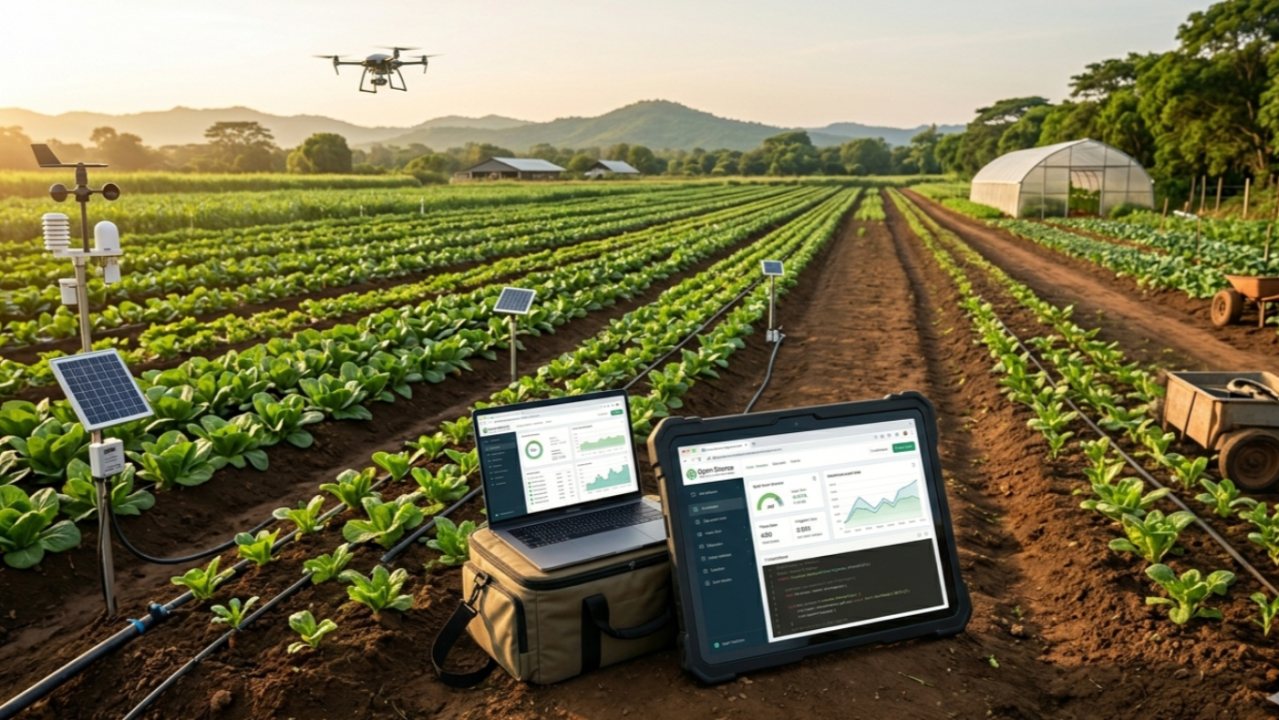
Agriculture is entering a new digital era where data, technology, and collaboration are becoming as important as land, water, and seeds. However, many farmers—especially small and medium-sized farmers—still struggle to access advanced technologies due to high costs, proprietary systems, and limited availability of agricultural knowledge.
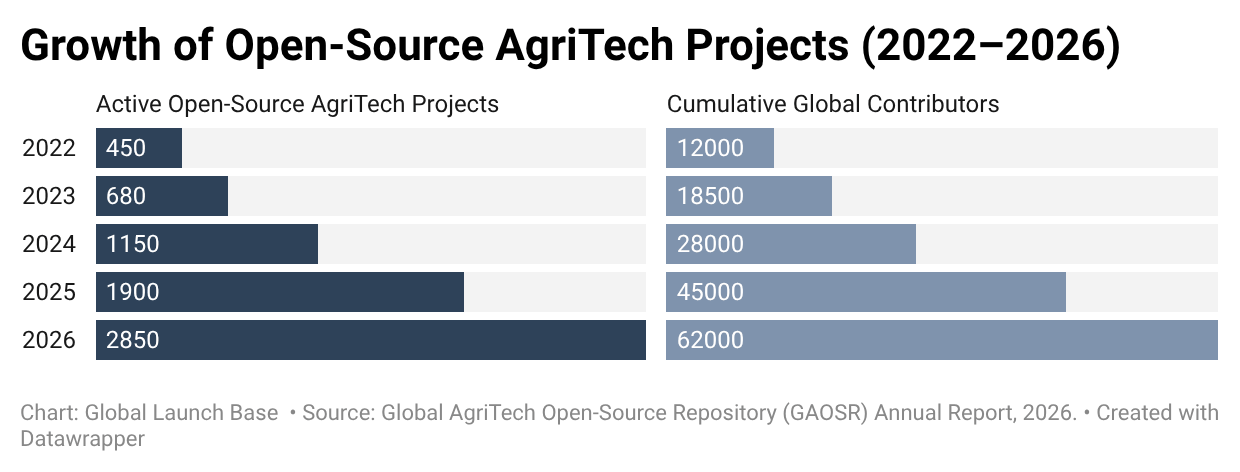
Open-source agriculture is emerging as a powerful solution to democratize agricultural innovation. Similar to how open-source software transformed the technology industry, open-source farming technologies enable researchers, startups, companies, and farmers to collaboratively develop and share tools, data, designs, and knowledge. This movement has the potential to accelerate sustainable agriculture,
improve productivity, and make advanced technologies accessible to millions of farmers worldwide.
What is Open-Source Agriculture?
Open-source agriculture refers to the free sharing and collaborative development of agricultural technologies, including:
- Farm management software
- Precision agriculture tools
- Sensor designs and IoT devices
- Drone technologies
- AI and machine learning models
- Crop and weather datasets
- Seed information and breeding knowledge
- Sustainable farming practices
Instead of relying solely on expensive proprietary solutions, farmers and innovators can modify, improve, and adapt these technologies according to local conditions.
Why Open-Source Agriculture Matters
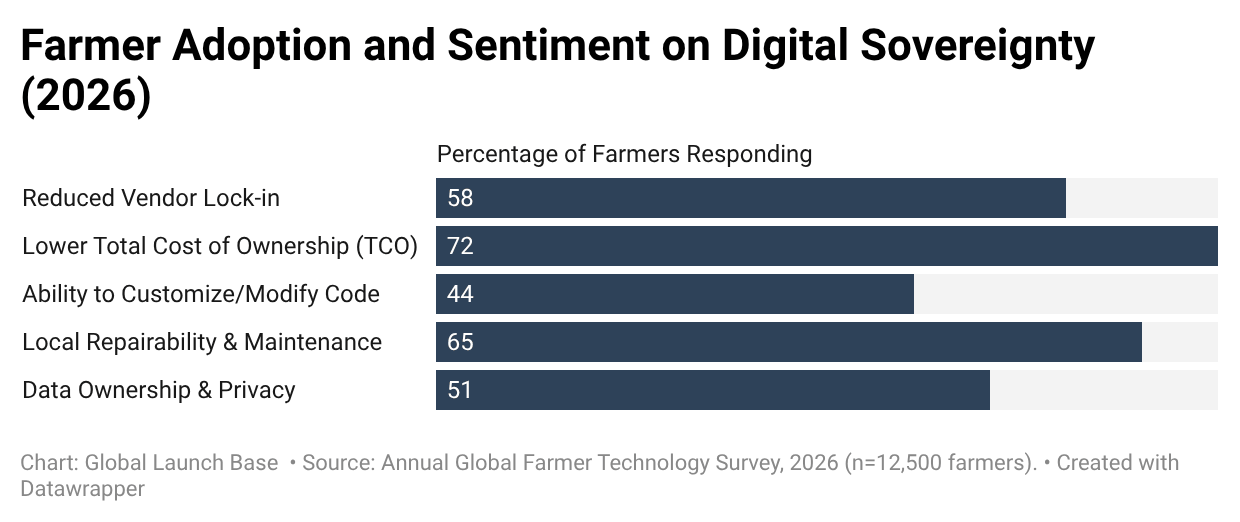
The traditional AgriTech model often relies on closed, proprietary ecosystems that lead to vendor lock-in—a growing concern for 55% of organizations in 2026. This dependency limits a farmer’s ability to repair machinery, integrate new software, or access raw data.
Open-source agriculture addresses this by prioritizing digital sovereignty. It allows farmers, researchers, and startups to build upon existing foundations rather than "reinventing the wheel." Whether it is open-source IoT sensor firmware or shared AI models for crop disease detection, the open-source approach is accelerating the pace at which agricultural technology can be adapted to local, smallholder conditions.
1. Reducing Technology Costs for Farmers
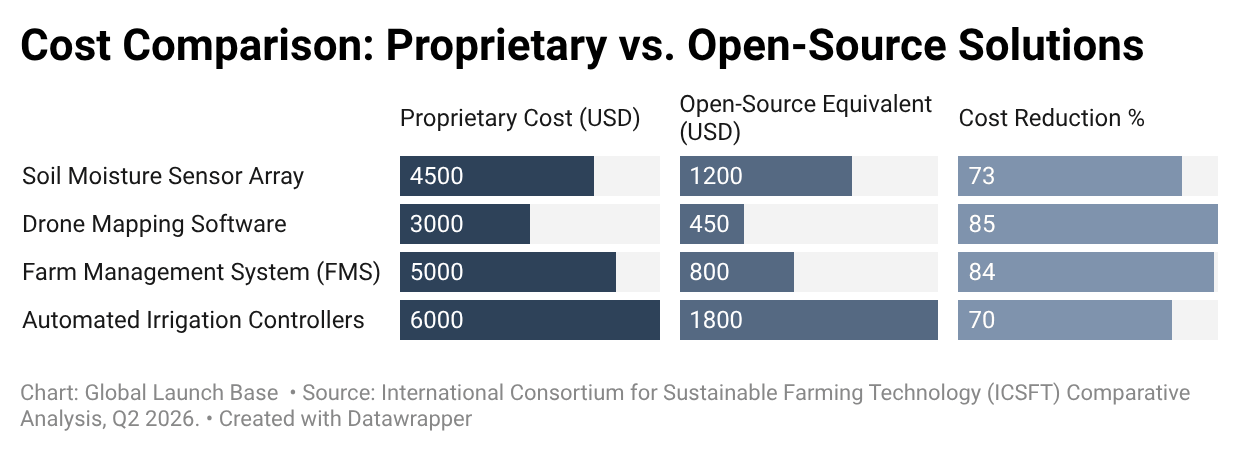
Modern agricultural technologies such as smart sensors, drones, and AI-based analytics can be expensive. Open-source alternatives allow local manufacturers, startups, and farmer organizations to develop affordable solutions tailored to regional needs.
Example:
A farmer cooperative can build low-cost soil moisture sensors using open-source hardware designs rather than purchasing expensive imported systems.
2. Accelerating Agricultural Innovation
Traditional agricultural technology development often happens within individual companies. Open-source models allow thousands of developers, scientists, and farmers to contribute improvements, identify issues, and create new applications faster.
This collaborative ecosystem can significantly reduce the time required to develop practical solutions.
3. Supporting Smallholder Farmers
Nearly 80% of the world's farmers are smallholders, many of whom lack access to modern agricultural technologies. Open-source tools can help bridge this digital divide by providing affordable access to:
- Weather forecasting tools
- Pest and disease identification systems
- Market information platforms
- Crop advisory systems
- Farm record management software
4. Increasing Transparency and Data Ownership
Many digital farming platforms collect large amounts of farm data. Open-source agriculture promotes greater transparency, allowing farmers to understand how their data is used and enabling them to retain more control over their agricultural information.
Key Areas of Open-Source Agricultural Innovation
1. Open-Source Farm Management Platforms
Digital platforms help farmers manage crop records, monitor farm activities, and make better decisions.
Examples include:
- FarmOS – Open-source farm management and record-keeping software.
- LiteFarm – A free and open-source platform developed for sustainable farm planning and management.
2. Open-Source Agricultural Hardware
Low-cost hardware allows farmers and researchers to build their own agricultural devices.
Examples include:
- Open Source Ecology – Develops open designs for agricultural machinery and tools.
- FarmBot – An open-source robotic farming platform for precision agriculture.
3. Open-Source AI and Data Analytics
Artificial intelligence is becoming a key part of modern agriculture. Open datasets and AI models enable developers to create affordable solutions for:
- Crop disease detection using images
- Yield prediction
- Weather forecasting
- Soil analysis
- Pest monitoring
4. Open-Source Drone Technology
Open-source drone platforms allow researchers and startups to develop customized drones for:
- Crop monitoring
- Mapping
- Plant health analysis
- Precision spraying
This is particularly valuable for countries like India, where affordable drone solutions can greatly increase technology adoption.
Opportunities for AgriTech Startups
Open-source agriculture creates numerous business opportunities:
| Opportunity | Description |
|---|---|
| Affordable AgriTech Products | Build low-cost sensors, drones, and farm equipment using open-source designs |
| Customized Solutions | Adapt technologies for local crops, climates, and farming practices |
| Data Services | Provide analytics and insights using open agricultural datasets |
| Training & Support | Help farmers implement and maintain open-source technologies |
| Manufacturing | Produce affordable agricultural hardware locally |
The Role of Governments and Research Institutions
Governments, universities, and agricultural research institutions can accelerate open-source agriculture by:
- Publishing agricultural datasets openly
- Supporting open research collaborations
- Funding open-source AgriTech projects
- Creating digital public infrastructure for agriculture
- Encouraging collaboration between startups and farmers
For India, institutions such as agricultural universities, ICAR institutes, and AgriTech incubators can play a significant role in building an open agricultural innovation ecosystem.
Challenges to Overcome
Despite its potential, open-source agriculture faces several challenges:
- Limited awareness among farmers
- Lack of technical skills for implementation
- Funding and sustainability of open-source projects
- Data quality and standardization issues
- Difficulty scaling solutions in remote regions
Addressing these challenges requires collaboration between farmers, startups, researchers, governments, and investors.
The Future of Open Agriculture
The future of agriculture will likely be a combination of open innovation and commercial solutions. Just as open-source software helped create a global technology ecosystem, open-source agriculture can create a collaborative network where knowledge and technology are accessible to everyone.
For developing countries like India, where millions of small farmers need affordable technologies, open-source AgriTech offers a unique opportunity to accelerate digital transformation, improve productivity, reduce costs, and promote sustainable farming.
Conclusion
Open-source agriculture represents more than just free technology—it is a movement toward collaborative, transparent, and inclusive agricultural innovation. By making farm technologies, data, and knowledge accessible to all, open-source agriculture can empower farmers, create new opportunities for startups, and help build a more resilient global food system.
The next generation of AgriTech innovation may not come from closed laboratories alone—it may come from a global community of farmers, developers, researchers, and entrepreneurs working together to solve agriculture’s biggest challenges.