The Silent Foundation_ Why Soil Health is the Key to Sustainable Farming
The Silent Foundation: Why Soil Health is the Key to Sustainable Farming
Introduction
When we think of farming, we often picture lush crops, advanced machinery, or even cutting-edge biotechnology. Rarely do we think about the very ground beneath our feet — the soil. Yet, soil is the silent foundation of agriculture. Healthy soil is not just a growing medium; it is a living, breathing ecosystem that supports plant life, regulates water, cycles nutrients, and stores carbon.
In the agricultural sector, much of our focus has shifted toward technologies like precision farming, drones, and AI-based farm management systems. Yet, the very ground that supports this innovation often gets ignored — soil.
Healthy soil directly influences crop yields, input costs, water efficiency, climate resilience, and ultimately, farmer income and agribusiness profitability. If we are serious about building sustainable and scalable agri-businesses, especially in emerging economies like India, then soil health must become a central priority.
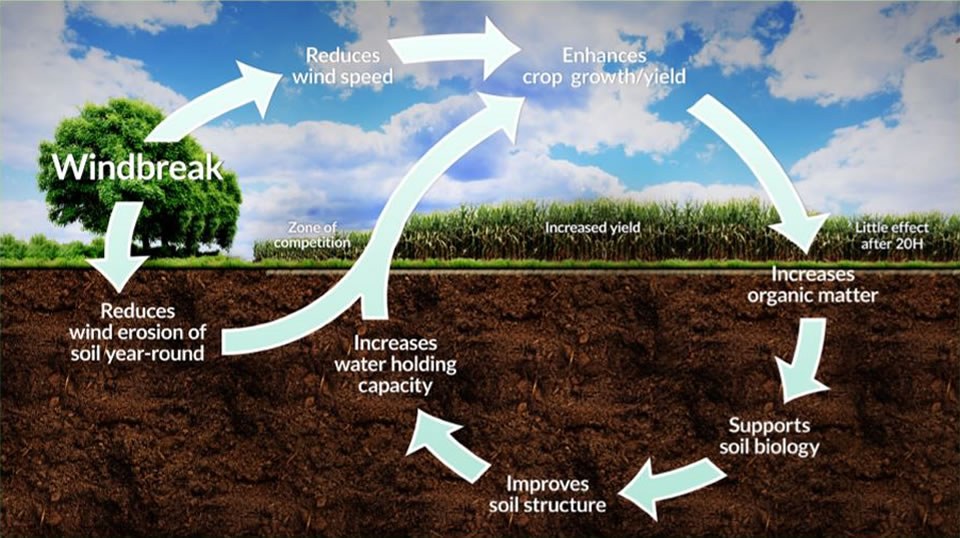
Fig: Trees in agroforestry systems improve soil health across a wider area than just the zones directly influenced by their roots - (USDA National Agroforestry Center illustration)
The Business Impact of Soil Health
Benefit | Description | Business Impact |
|---|---|---|
Nutrient Efficiency | Reduced need for chemical fertilizers | Cost savings, higher ROI on inputs |
Water Retention | Enhanced drought resilience and reduced irrigation needs | Improved output per litre of water |
Pest/Disease Reduction | Supports natural pest resistance through a balanced ecosystem | Reduced pesticide use, better market access |
Carbon Sequestration | Contributes to carbon credit eligibility and ESG goals | Access to climate finance & green markets |
Long-Term Land Value | Improved productivity and soil fertility | Higher asset valuation and leasing potential |
What Is Soil Health?
Soil health refers to the continued capacity of soil to function as a vital living system. This includes its ability to:
- Support plant and animal productivity
- Maintain or enhance water and air quality
- Promote plant biodiversity
- Store carbon and regulate greenhouse gas emissions
A healthy soil is rich in organic matter, teeming with microorganisms, and structured in a way that allows for proper water infiltration and root penetration.
Why Soil Health Matters in Sustainable Farming
1. Nutrient Cycling and Crop Productivity
Healthy soil naturally cycles nutrients like nitrogen, phosphorus, and potassium, reducing the dependency on chemical fertilizers. Soils rich in organic matter and microbial life help plants absorb nutrients efficiently, improving yield quality and consistency. In contrast, degraded soils often lead to nutrient deficiencies, increased input costs, and crop vulnerability.
2. Water Retention and Resilience
One of the greatest challenges in agriculture today is water scarcity. Healthy soils act like a sponge, absorbing and retaining water more effectively. This is crucial during droughts, as it helps crops withstand dry spells. Furthermore, soil with better structure prevents water runoff and erosion, conserving both soil and water resources.
3. Carbon Sequestration and Climate Mitigation
Soil is the second-largest carbon sink after the ocean. Sustainable soil management practices can help sequester atmospheric CO₂, mitigating climate change. Practices like cover cropping, reduced tillage, and agroforestry contribute significantly to this process.
4. Reduced Dependency on Chemicals
Soil with a balanced ecosystem supports natural pest predators and reduces disease outbreaks, thereby minimizing the need for pesticides. This not only reduces environmental contamination but also makes farming more economical and less toxic.
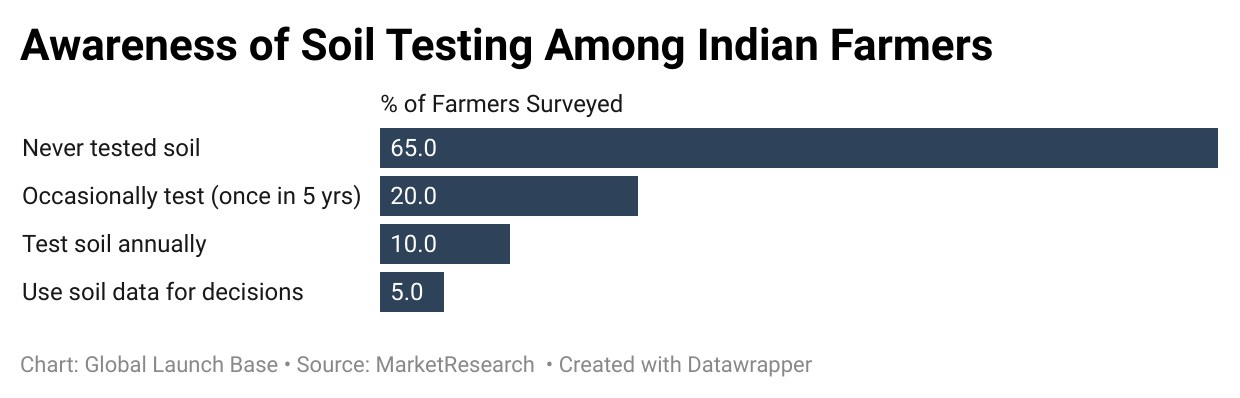
Alarming Trends in Soil Degradation
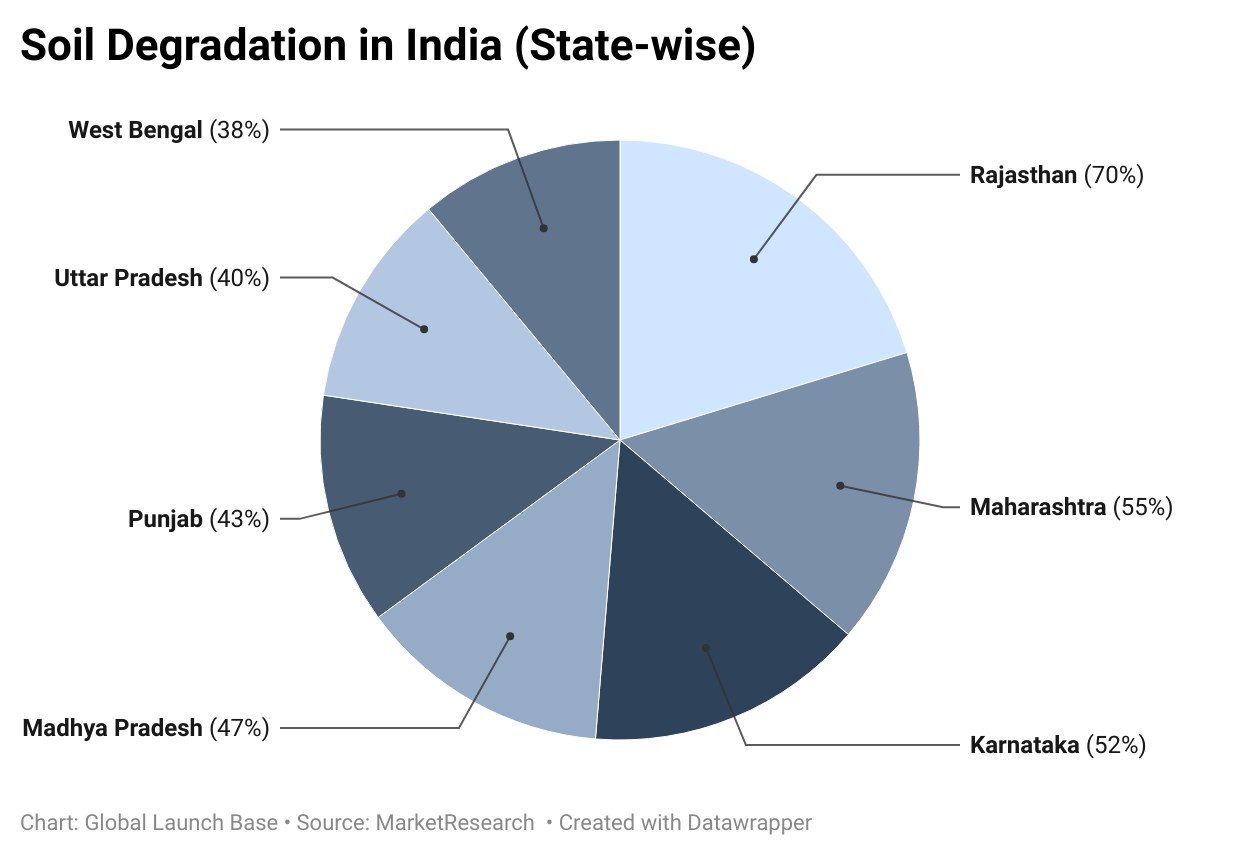
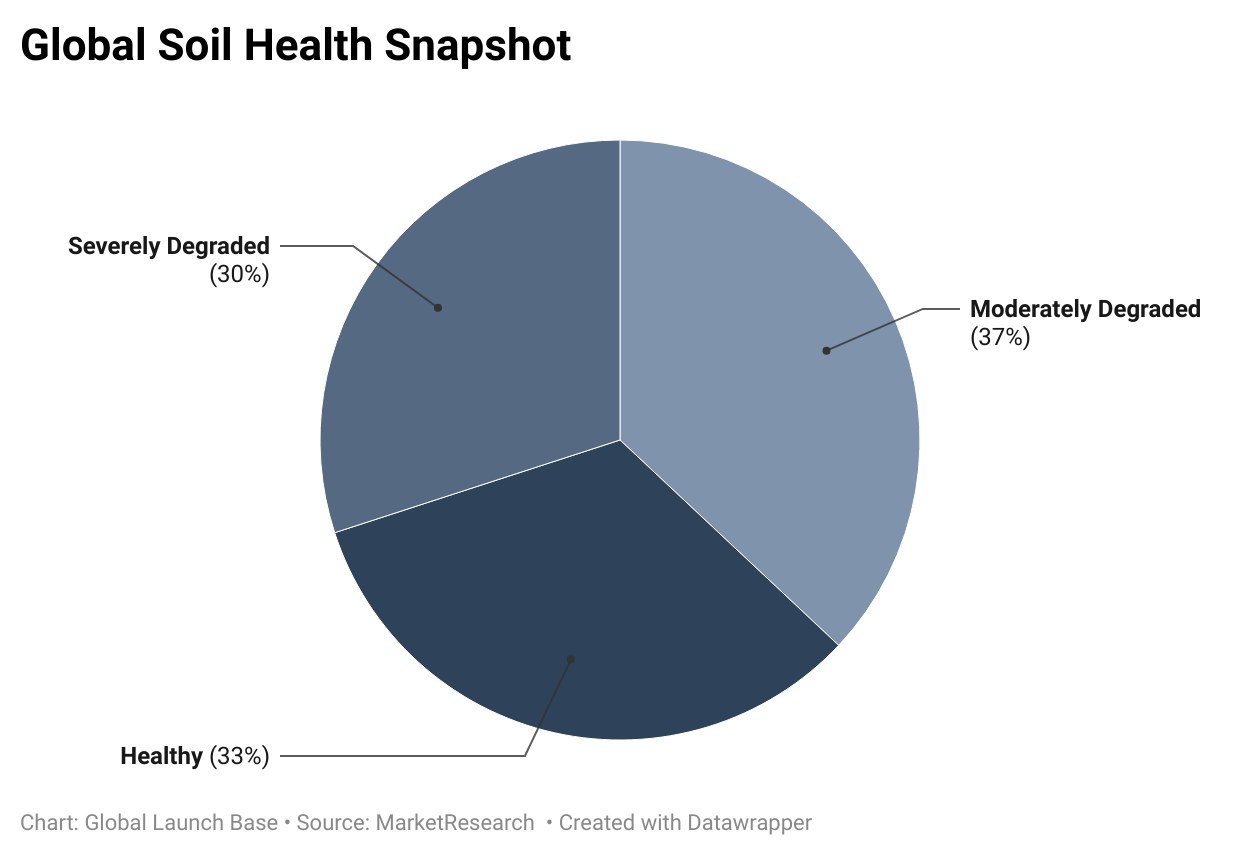
Globally, nearly 33% of soils are degraded due to erosion, compaction, chemical contamination, and salinization. In India, it is estimated that more than 120 million hectares suffer from some form of degradation. Continuous monoculture farming, overuse of chemical inputs, and poor water management have accelerated this damage.
Pathways to Healthier Soil
1. Organic Amendments
Incorporating compost, green manure, and animal waste can significantly boost soil organic matter, improve structure, and foster microbial diversity.
2. Cover Cropping
Cover crops like legumes or grasses can prevent erosion, fix atmospheric nitrogen, and improve soil fertility during off-seasons.
3. Reduced Tillage
Minimizing soil disturbance preserves its structure, reduces carbon loss, and maintains microbial habitats.
4. Crop Rotation and Diversity
Rotating crops helps prevent pest and disease cycles and promotes varied nutrient uptake and replenishment in the soil.
5. Soil Testing and Monitoring
Regular soil health assessments can help farmers make informed decisions about input use, pH balancing, and irrigation scheduling.
Case Study 1: Areca and Pepper Farming in Shivamogga, Karnataka
In 2023, a pilot project was launched in Soraba taluk, where farmers transitioned from chemical-intensive arecanut monoculture to multi-layered farming with black pepper, legume-based cover crops, and organic compost. Key results after 18 months:
- Soil Organic Carbon increased by 18.4%
- Reduction in pest infestation by 40%
- Input cost reduced by ₹6,500 per acre per season
- Farmers received training via an FPO-based model, enabling scale-up to 73 acres
Case Study 2: Precision Composting in Punjab's Cotton Belt
A startup-led initiative in Bathinda introduced biochar-enriched compost and soil microbial treatments in cotton fields degraded by chemical overuse. Collaborating with a large agro-processing company, the soil health restoration program achieved:
- 25% reduction in nitrogen application
- Yield increase of 12–15% over conventional plots
- Reduced stubble burning, creating an additional revenue stream from carbon offsets
This case proves the synergy between sustainability and scalability, especially when aligned with agribusiness value chains.
Case Study 3: Organic Transition in Uttarakhand’s Hills
In Almora and Bageshwar, 200 smallholder farmers were guided through a 3-year soil health regeneration program, with support from NGOs and a nutraceuticals company sourcing turmeric and amla.
- Use of vermicompost and cow dung slurry led to a 60% increase in soil microbial biomass
- pH levels stabilized, allowing for better uptake of micro-nutrients
- Farmers accessed premium markets through organic certification, earning 20–30% higher returns
This demonstrates that soil-focused interventions can unlock premium B2B markets in health-conscious urban and export sectors.
Reviving Soil: Strategies for Policy, Farmers, and Agri-business
For Farmers and FPOs
- Adopt cover crops and intercropping to fix nitrogen and reduce erosion
- Train in composting techniques to build humus and retain moisture
- Access soil testing services to inform balanced fertilization
For Agri-Tech Startups
- Develop soil-health-as-a-service models (testing kits, sensors, AI analytics)
- Partner with carbon trading platforms for monetizing sequestration potential
- Launch input marketplace platforms offering verified bioinputs and traceable compost
For Agribusinesses and Exporters
- Encourage regenerative sourcing practices to meet ESG goals
- Build long-term contracts with FPOs adopting soil health practices
- Invest in traceability and certification for global market access
Opportunities for Business Development
Segment | Opportunity Example | Market Potential |
|---|---|---|
Soil Testing Services | Lab-on-chip, app-based diagnostics | $2.5B globally |
Carbon Credit Market | Carbon farming via soil organic carbon programs | Growing at 30% CAGR |
Biological Input Market | Biofertilizers, biofungicides, compost teas | $15B by 2030 |
ESG & Traceability Technologies | Blockchain for regenerative soil tracking | High in EU/US markets |
As India scales towards sustainable farming, soil health is not just a metric of ecology, but a metric of enterprise readiness. Businesses that align with soil-centric models will be the ones that grow sustainably and gain market trust.
Conclusion
Soil health is not just a scientific concern; it is a socio-economic imperative. As global food demand increases and climate uncertainties mount, we must return to the basics. Investing in soil is investing in our future. Policymakers, farmers, and researchers must collaborate to bring soil health into mainstream agricultural practices. Because without healthy soil, there can be no sustainable farming — and without sustainable farming, there can be no food security.